Operculicarya Decaryi | Madagascar Elephant Tree (34-inch)

$800.00

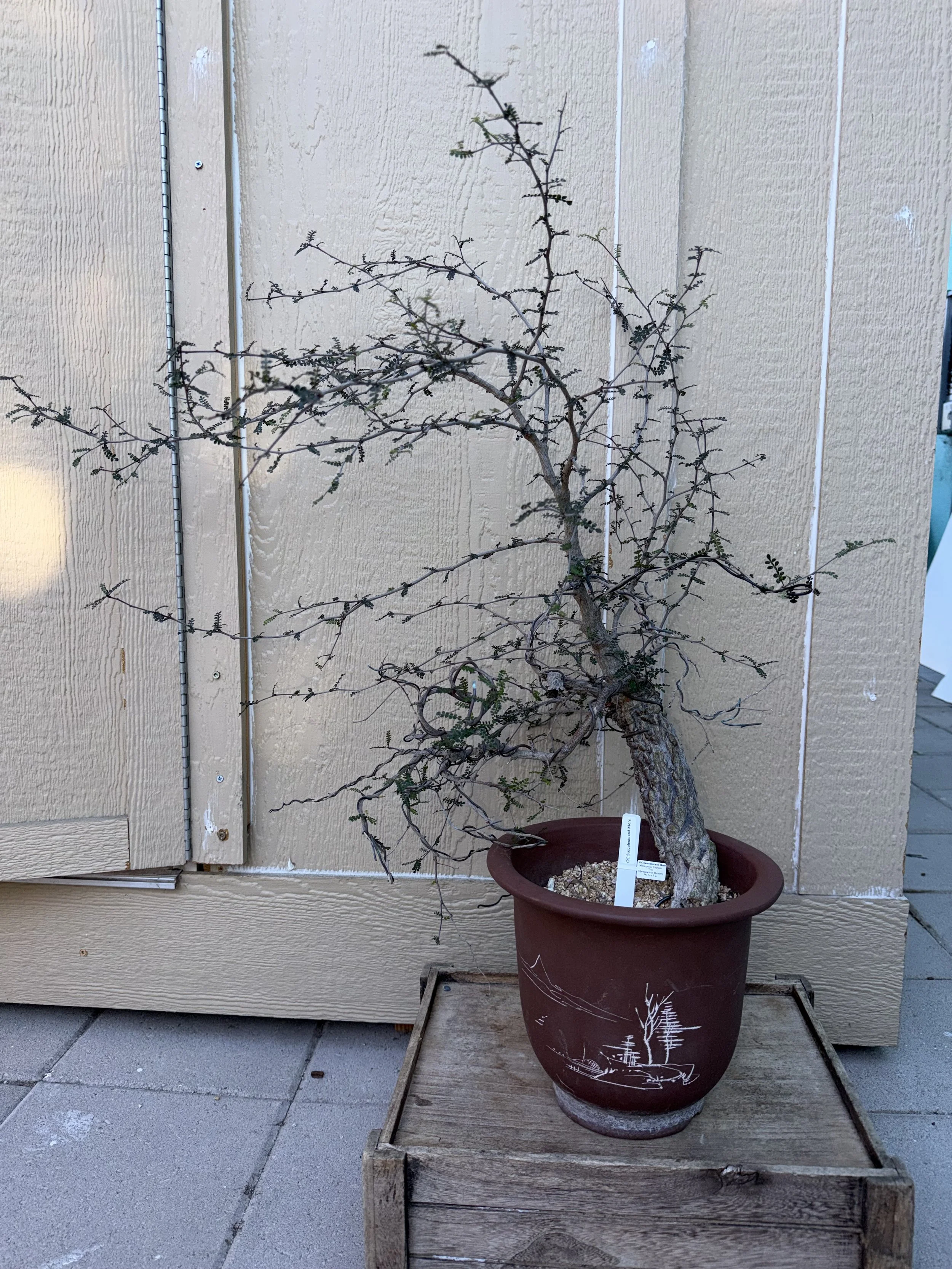
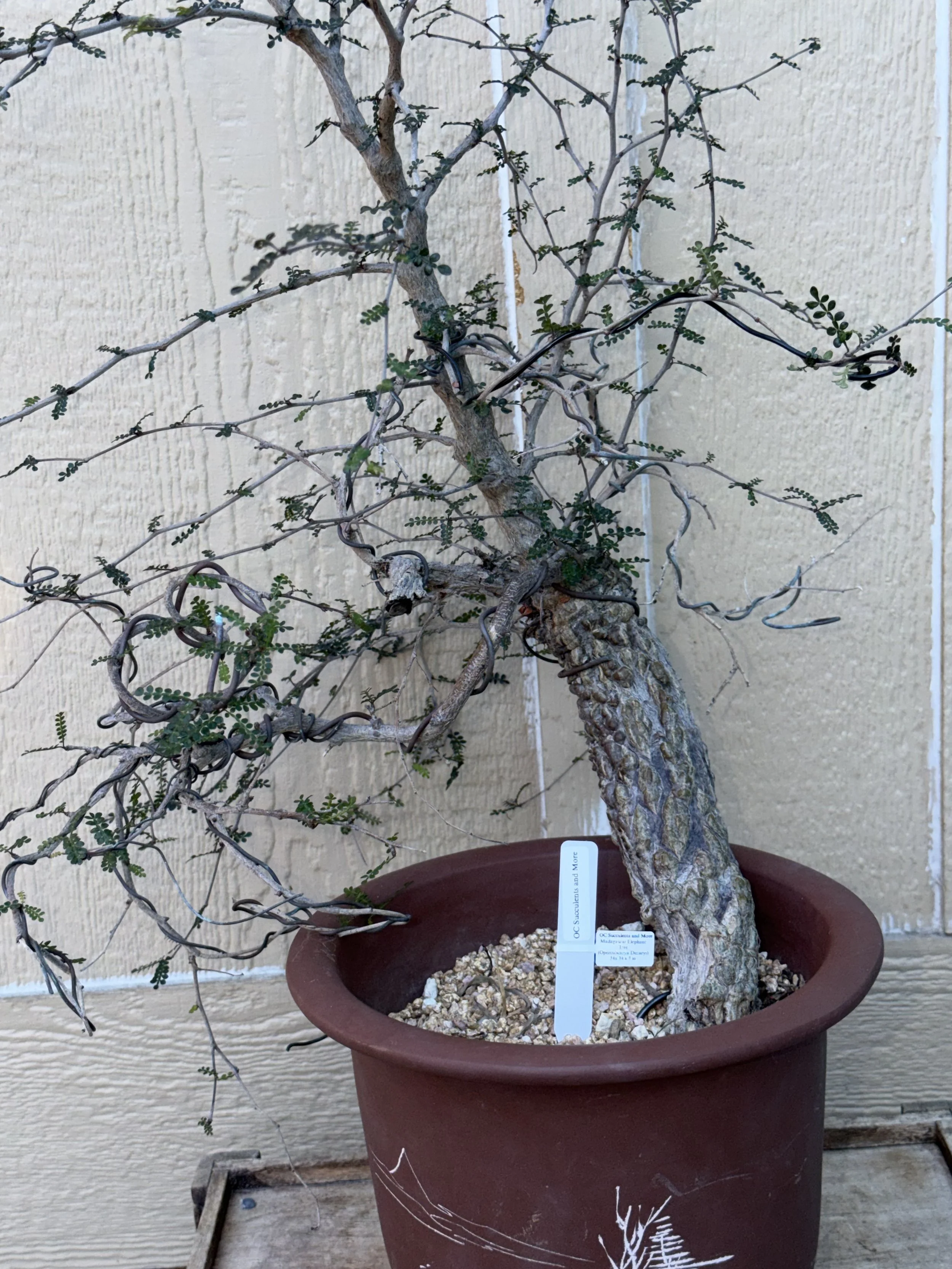
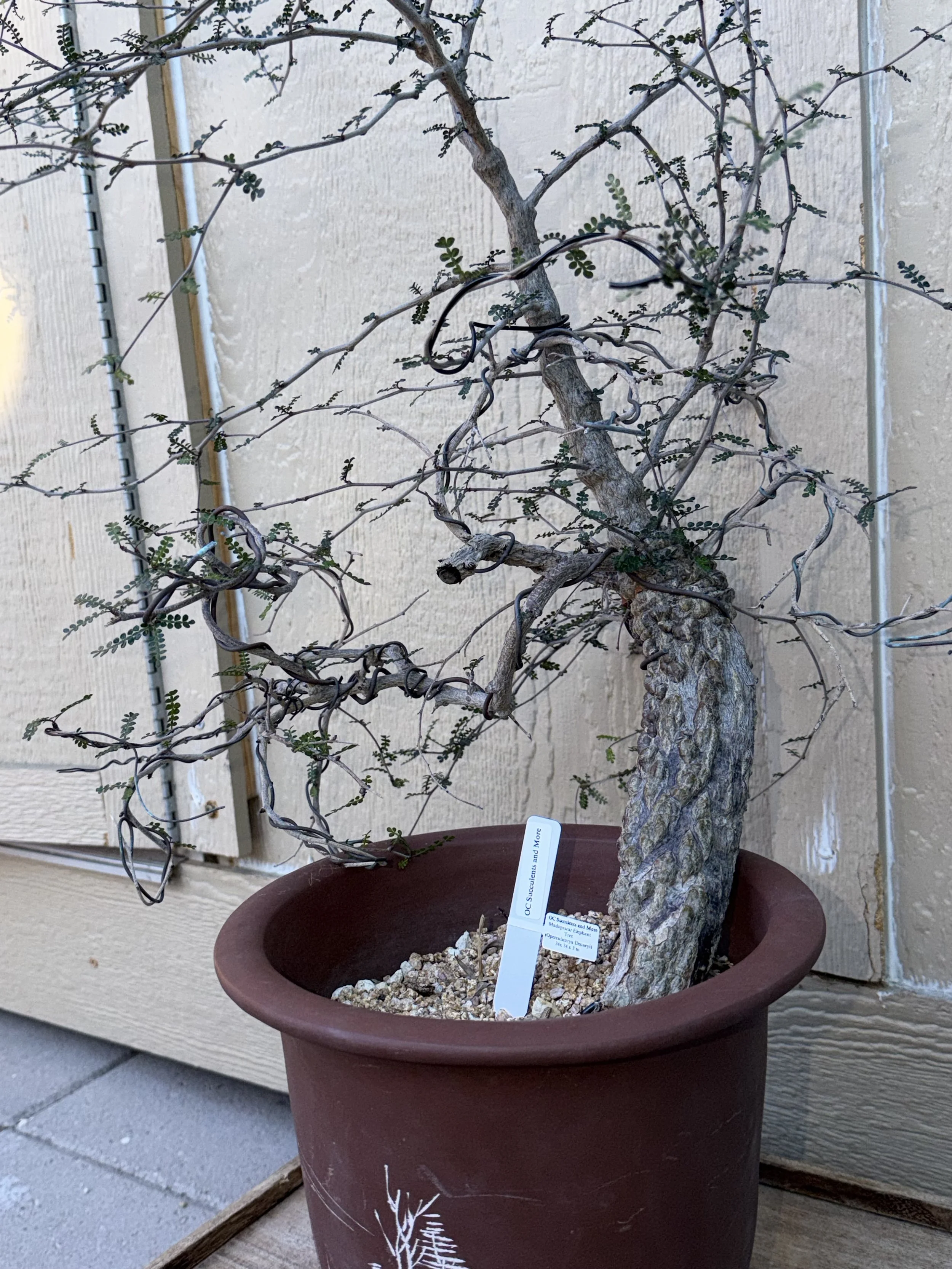
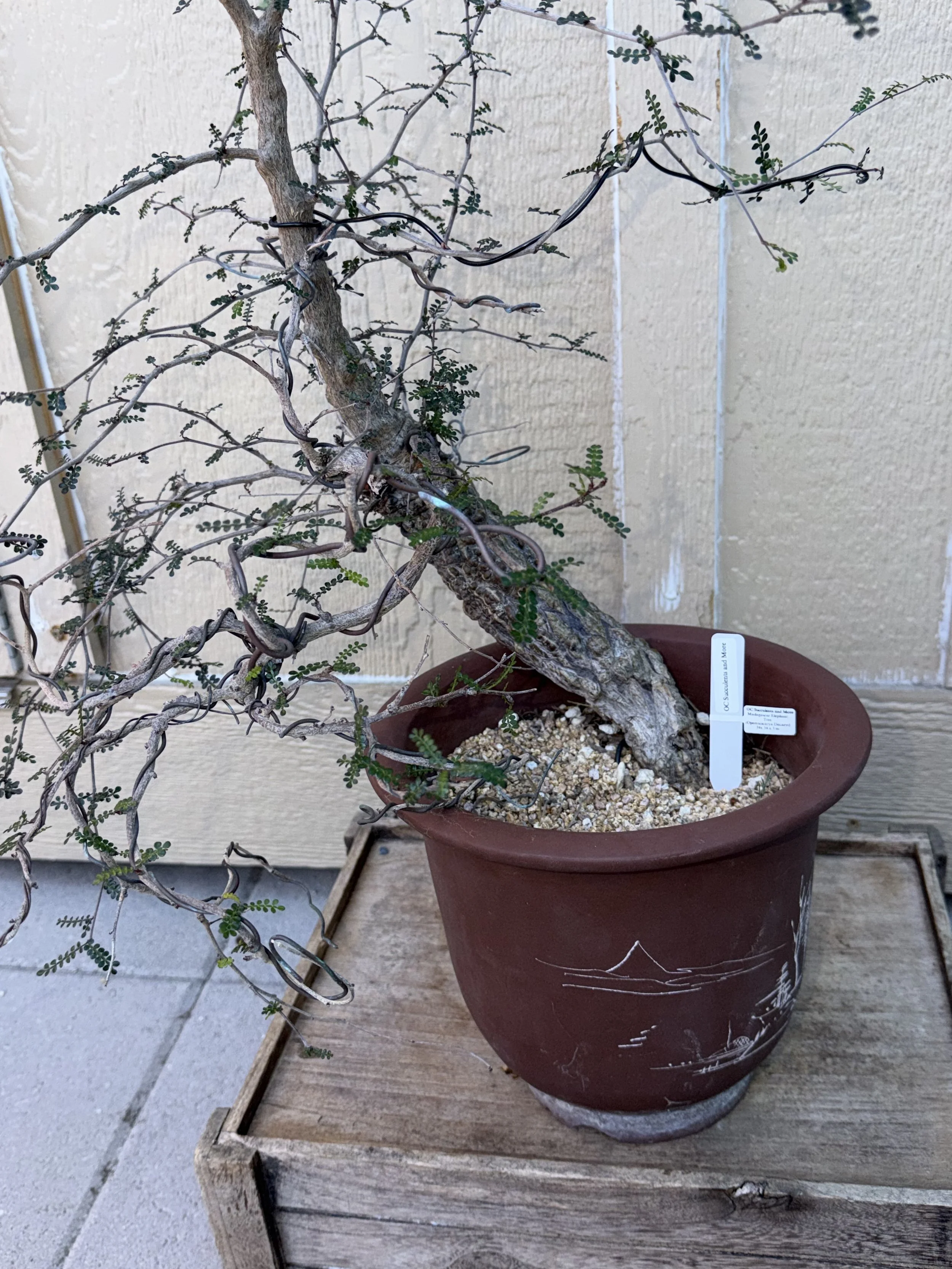
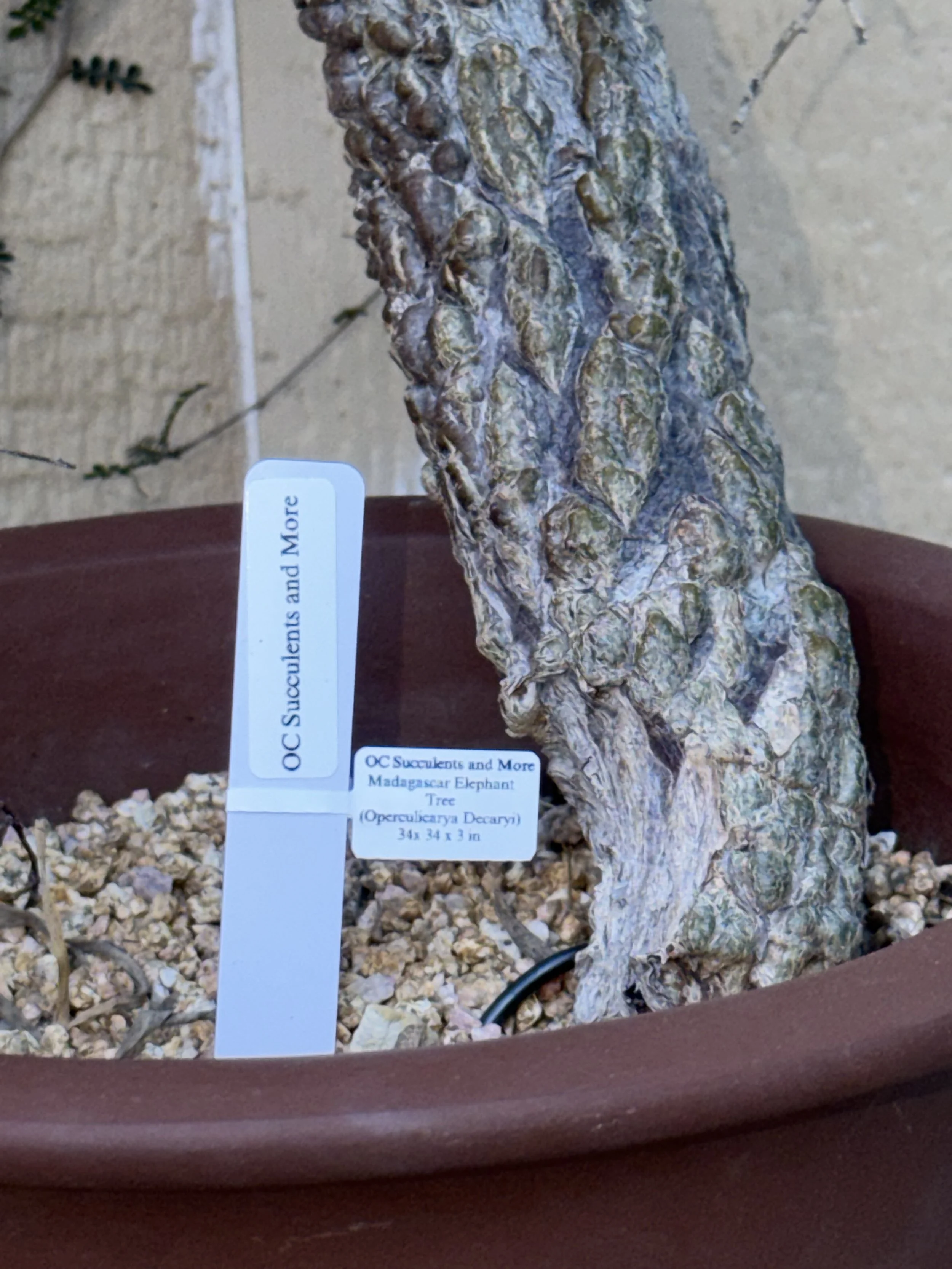
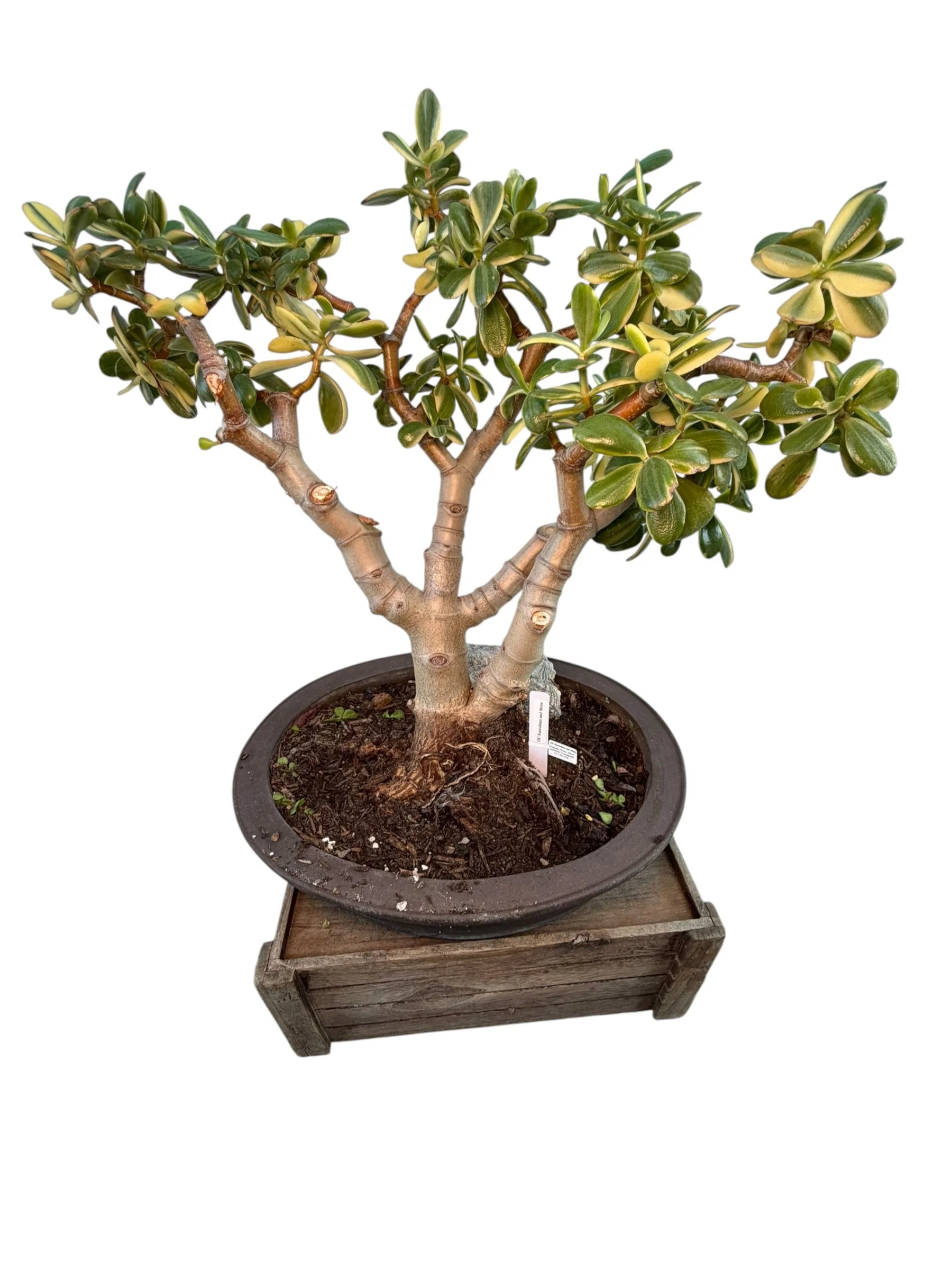
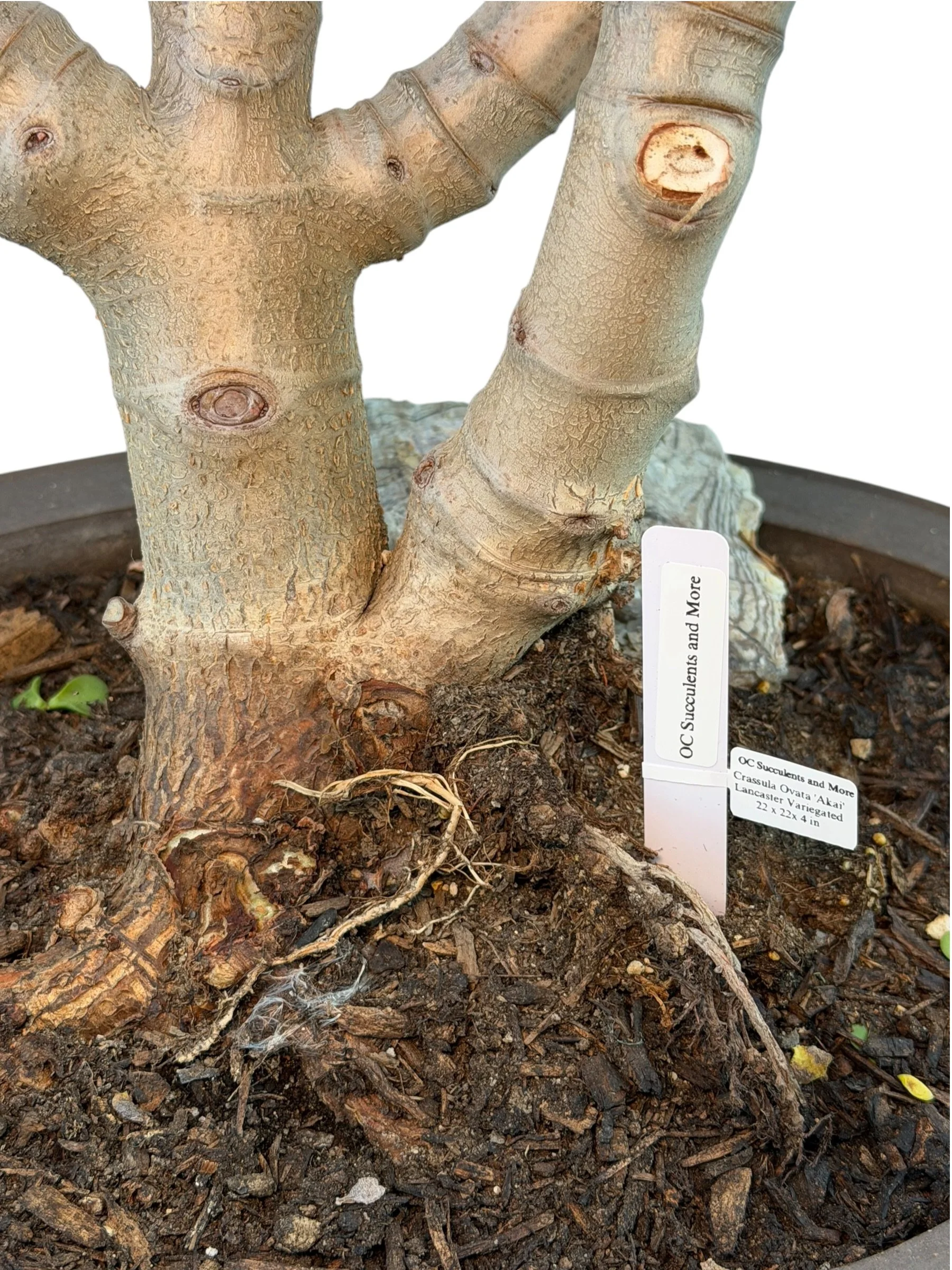
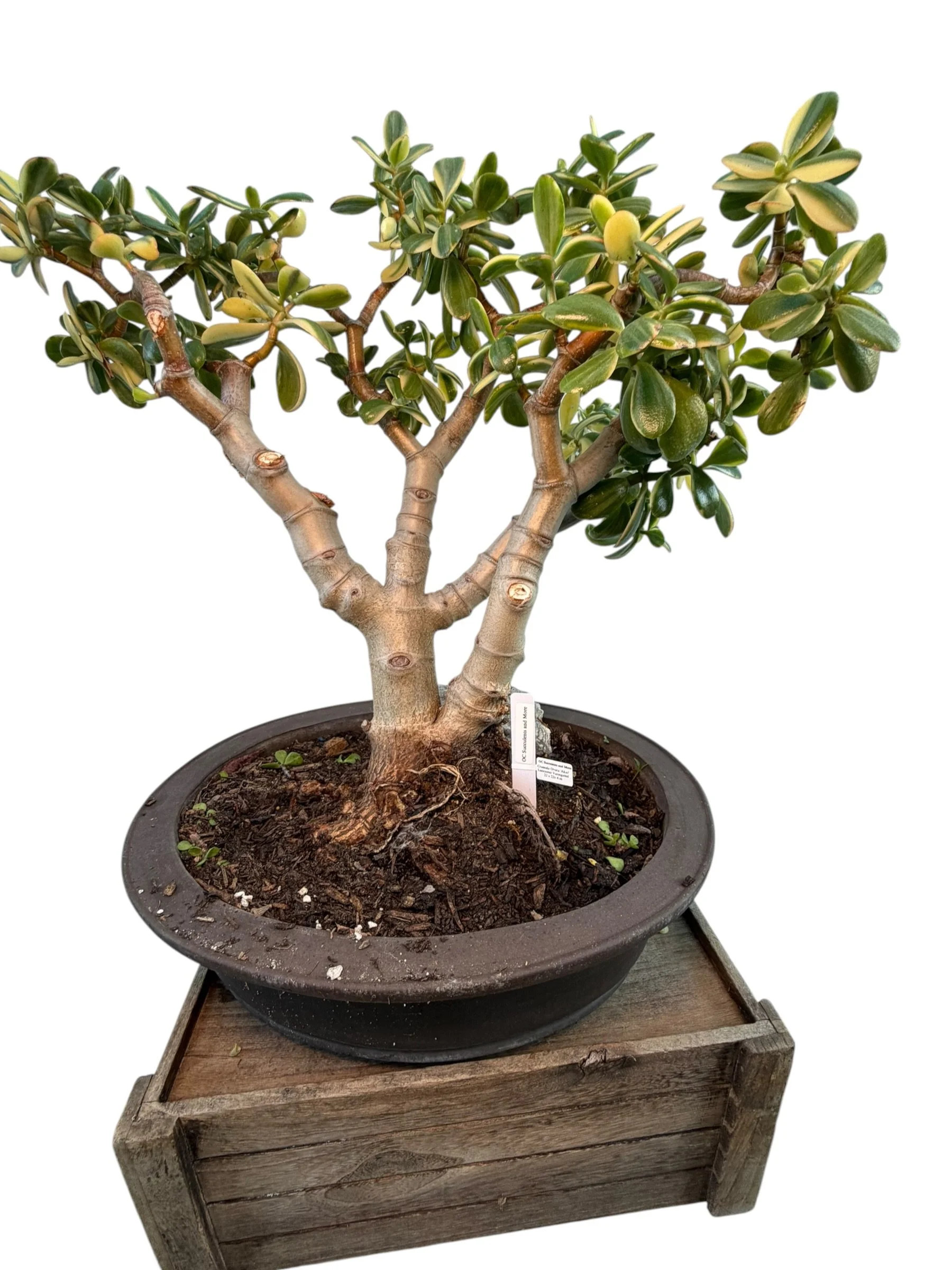
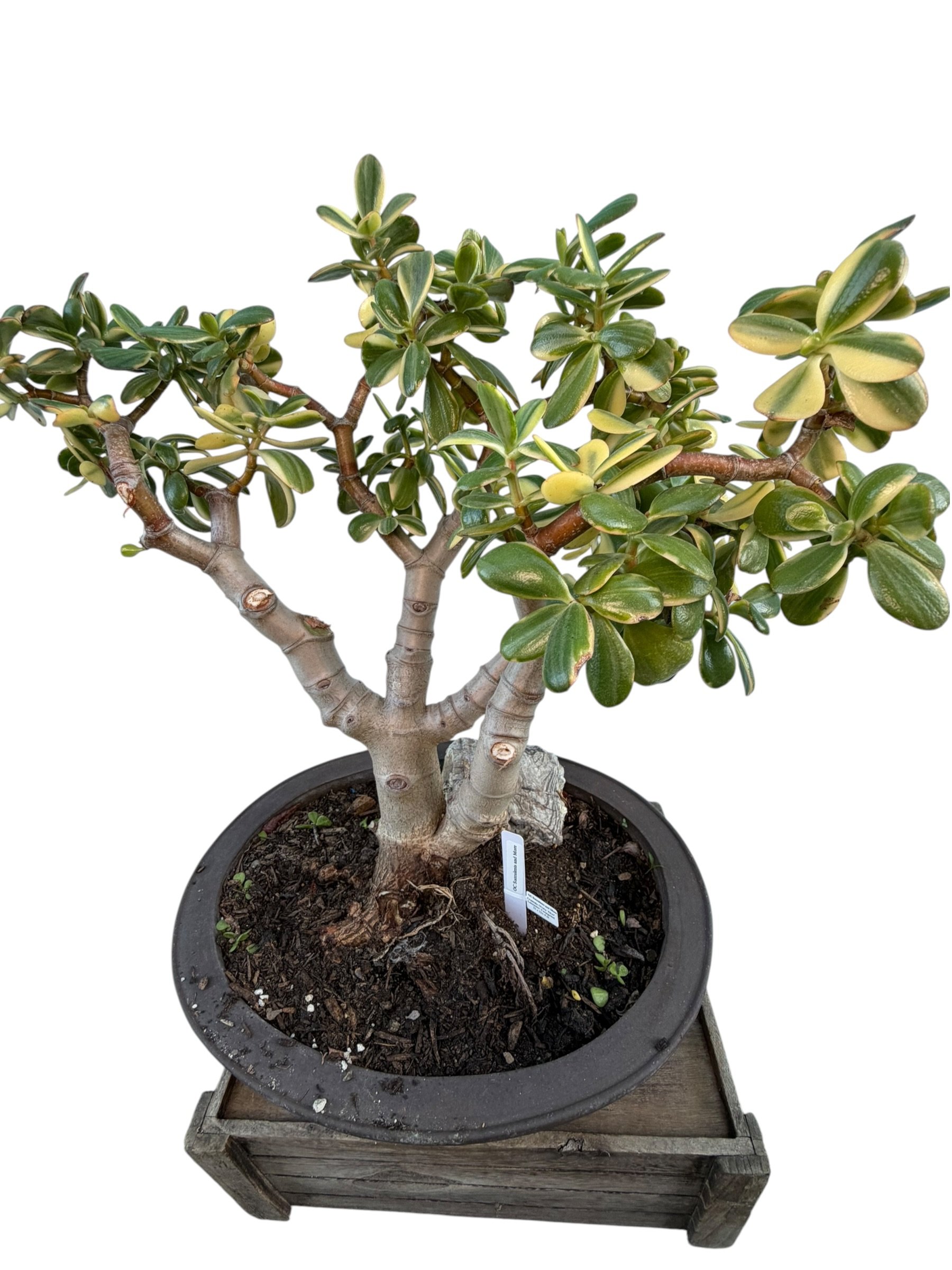
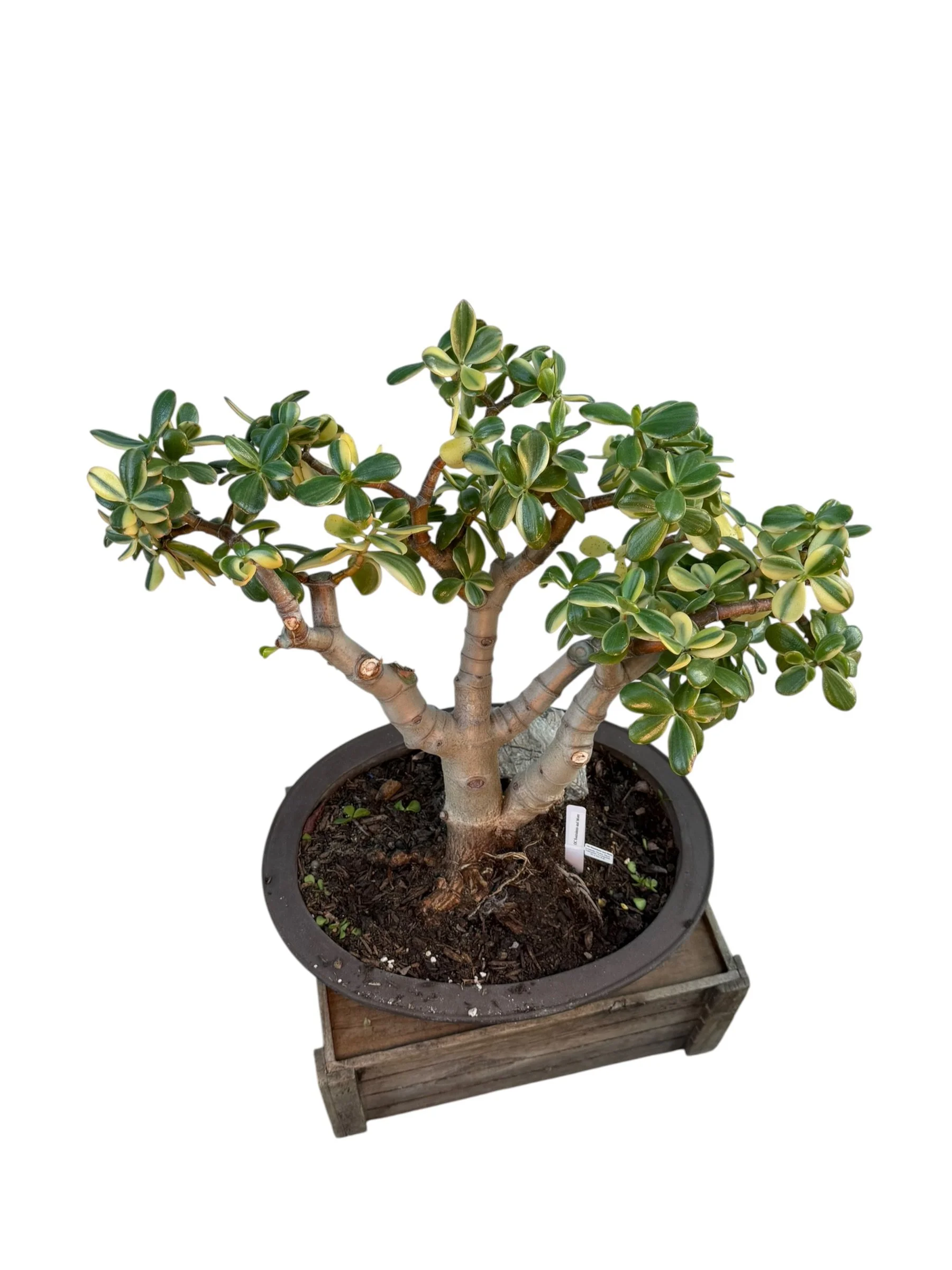
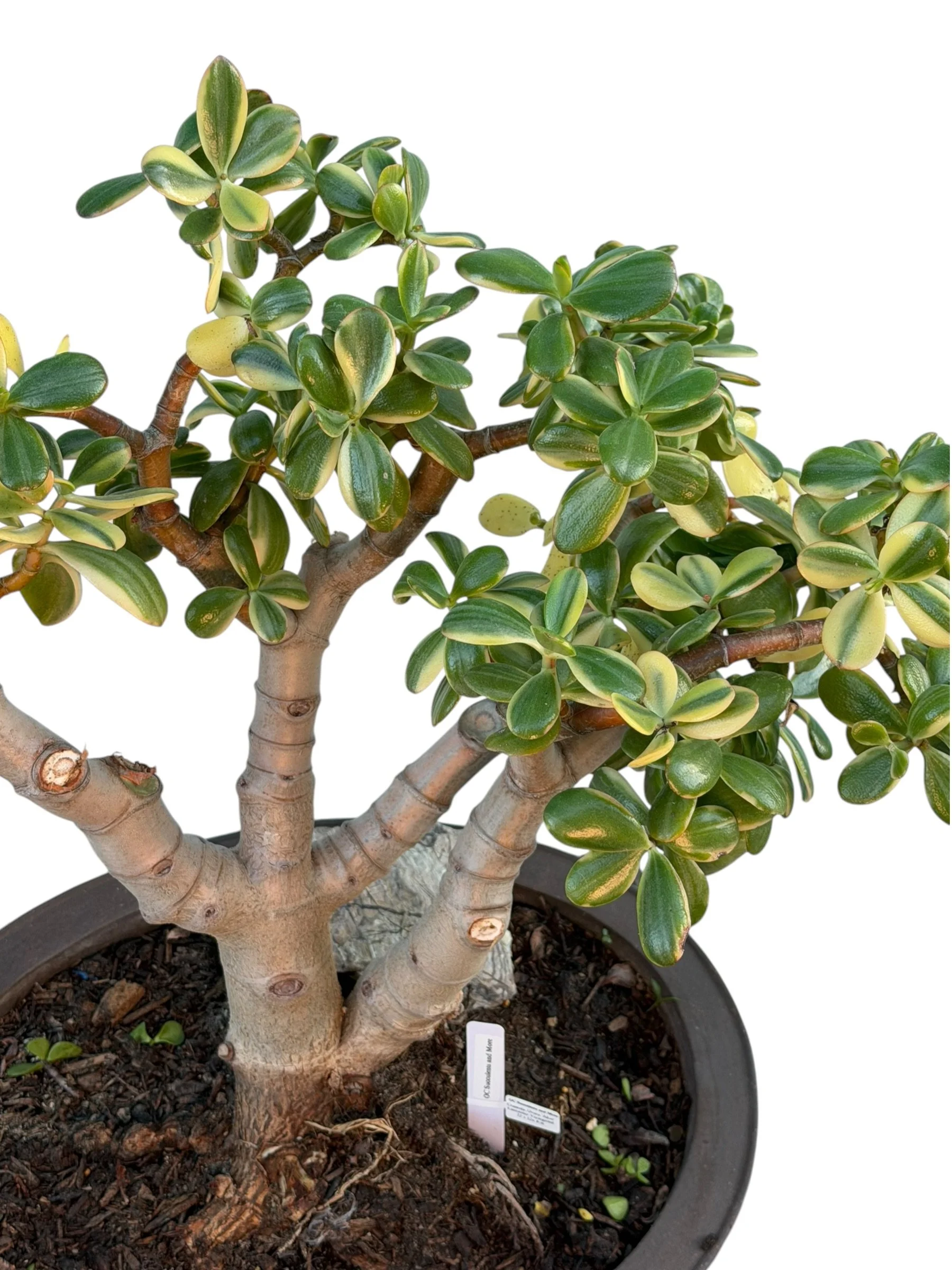
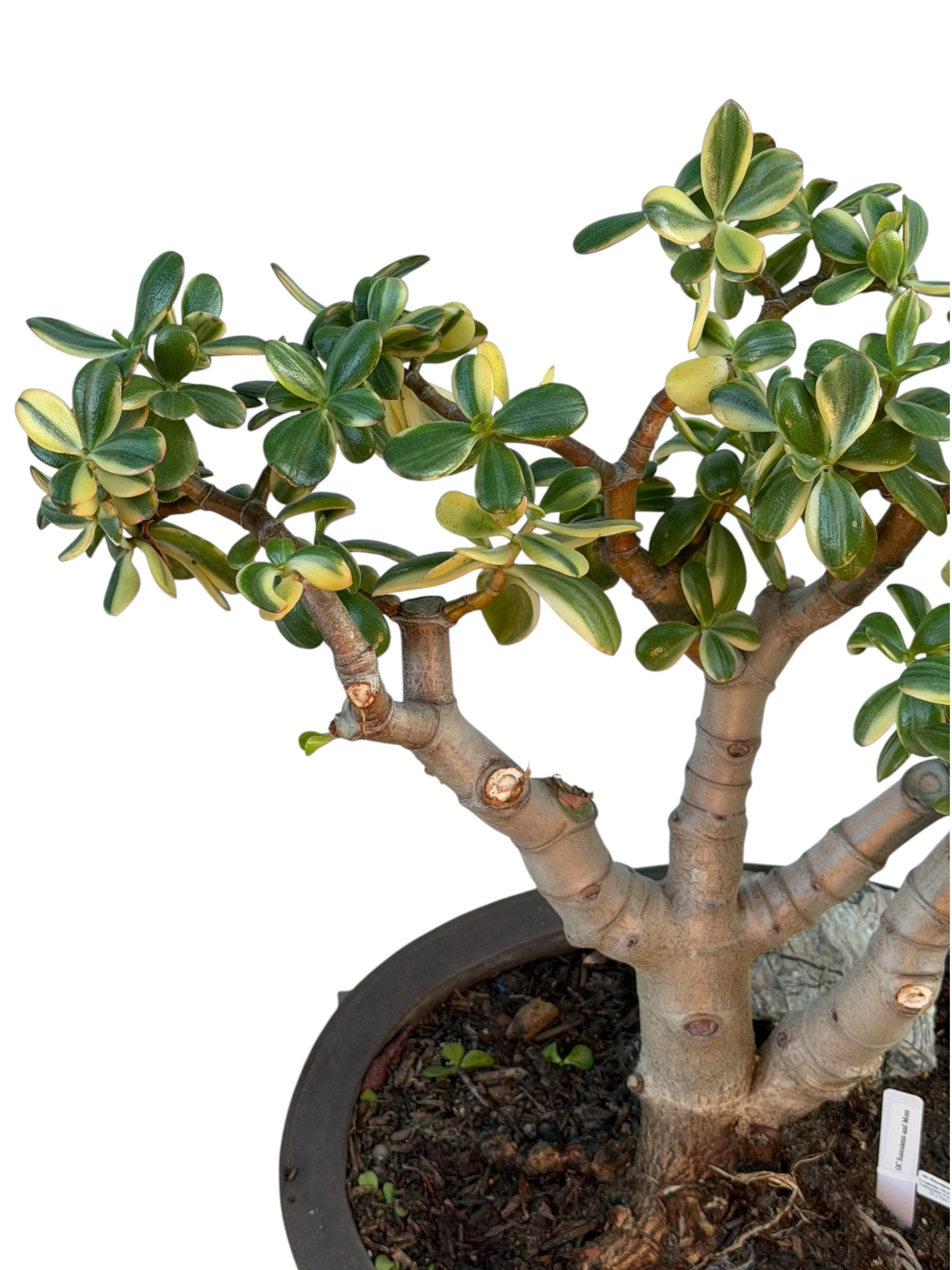
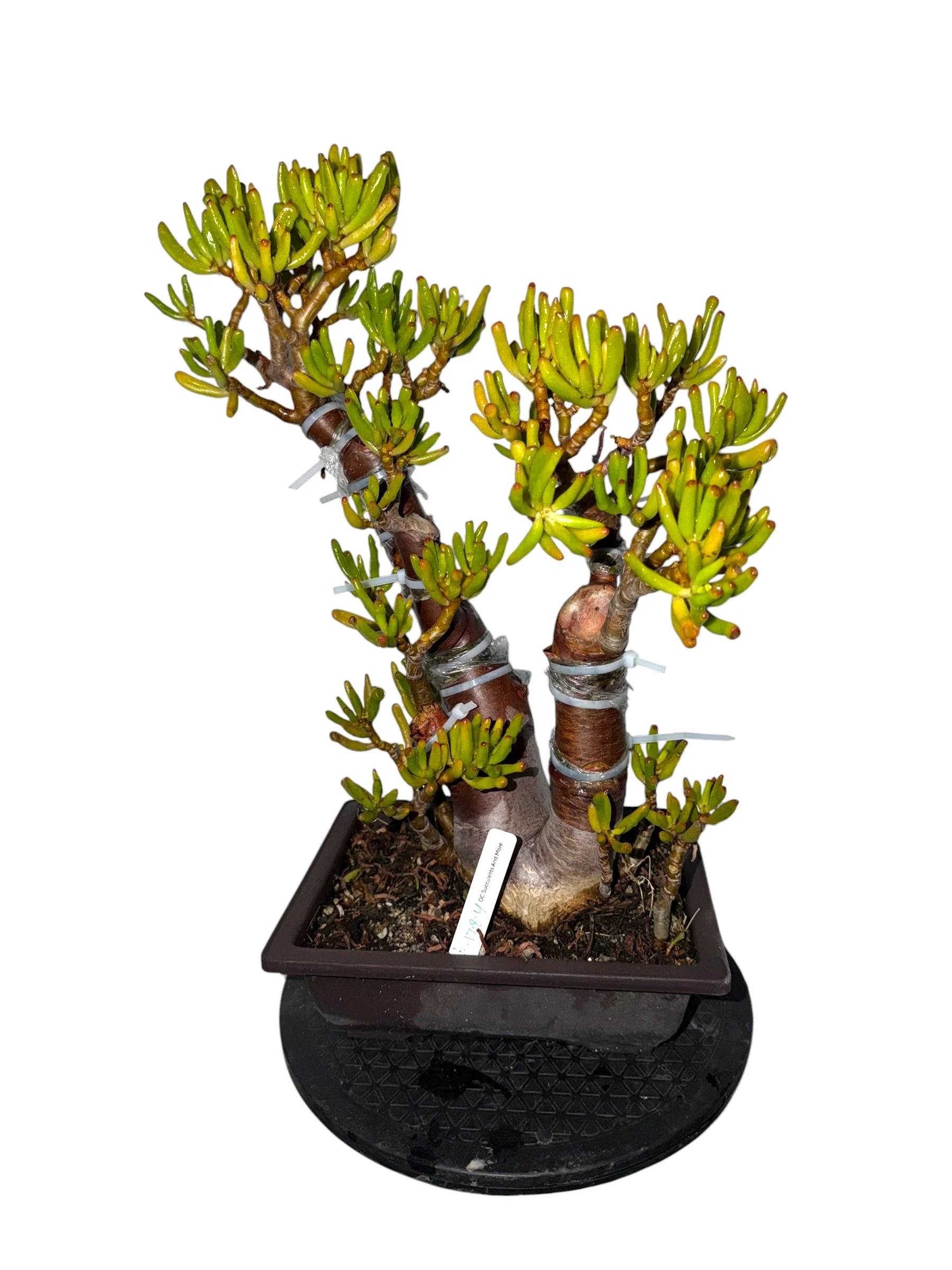
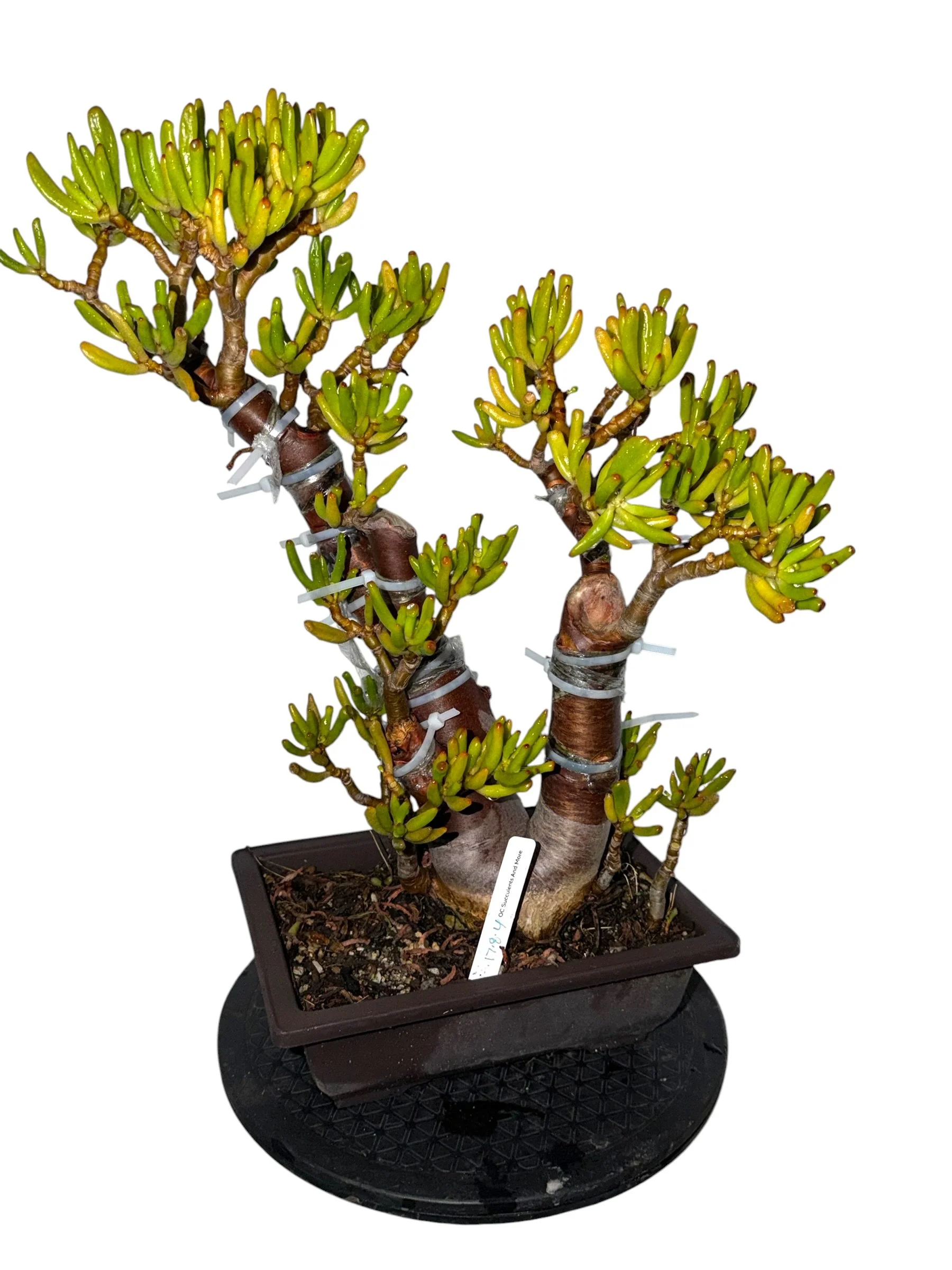
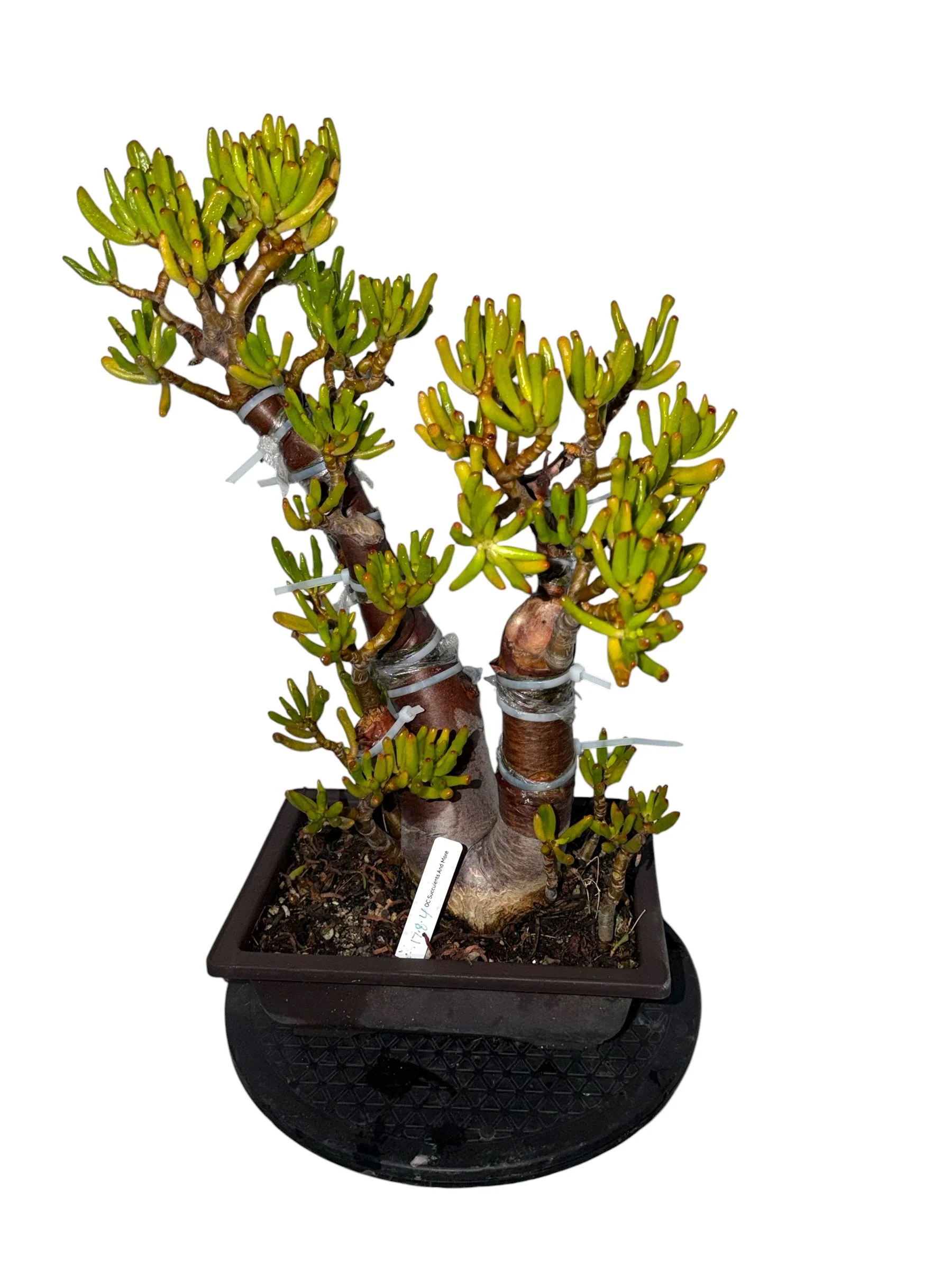
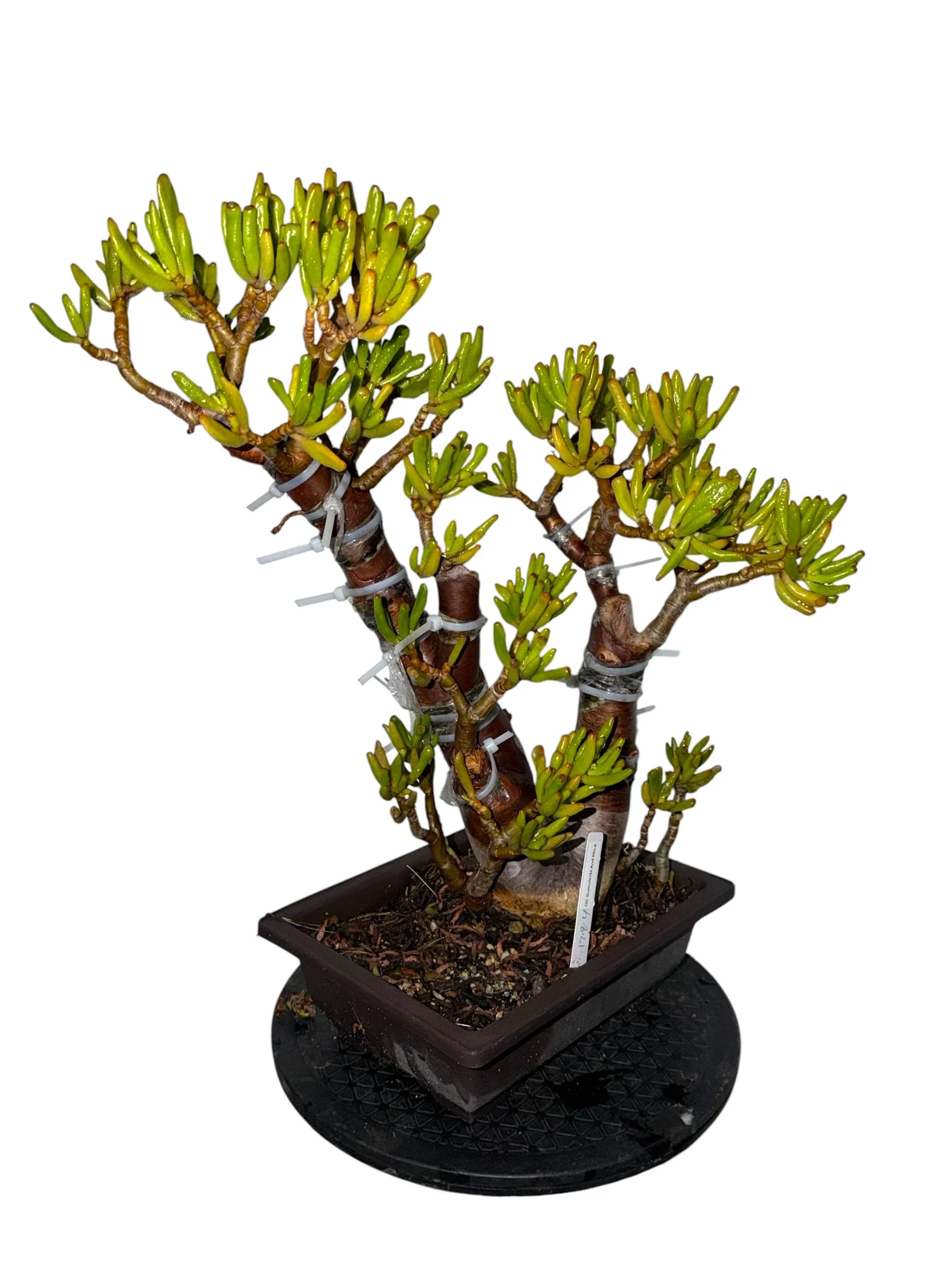
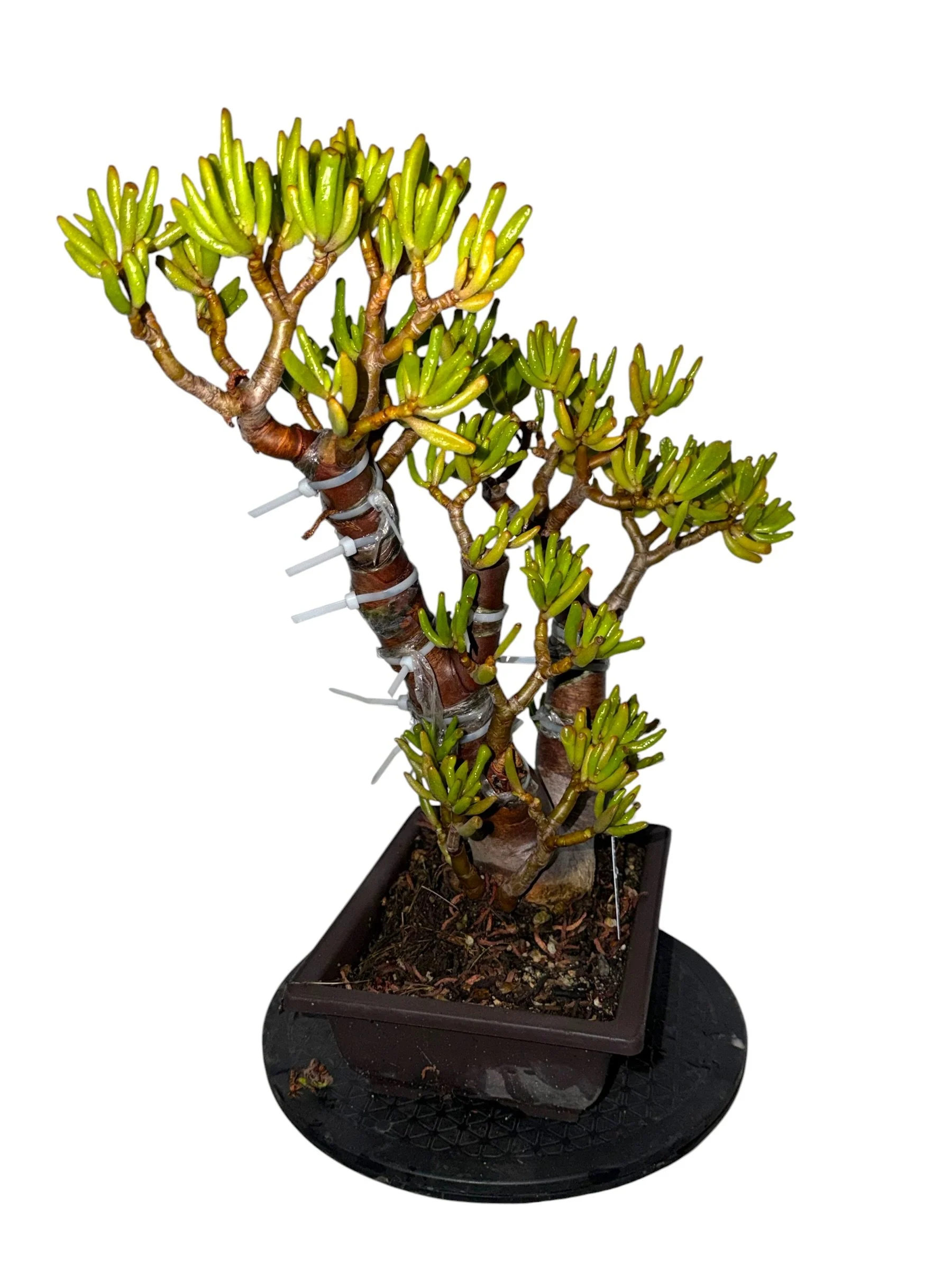
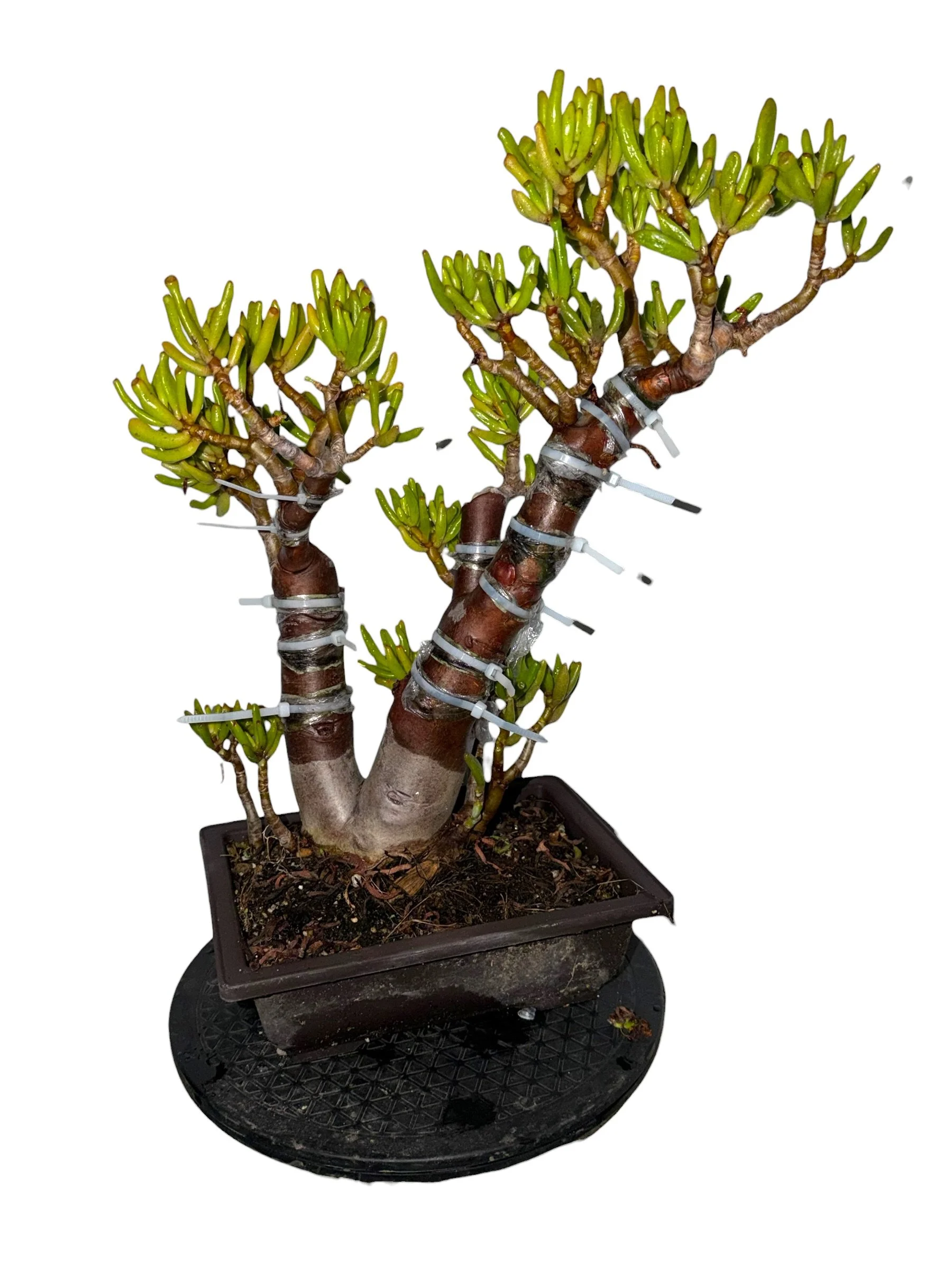
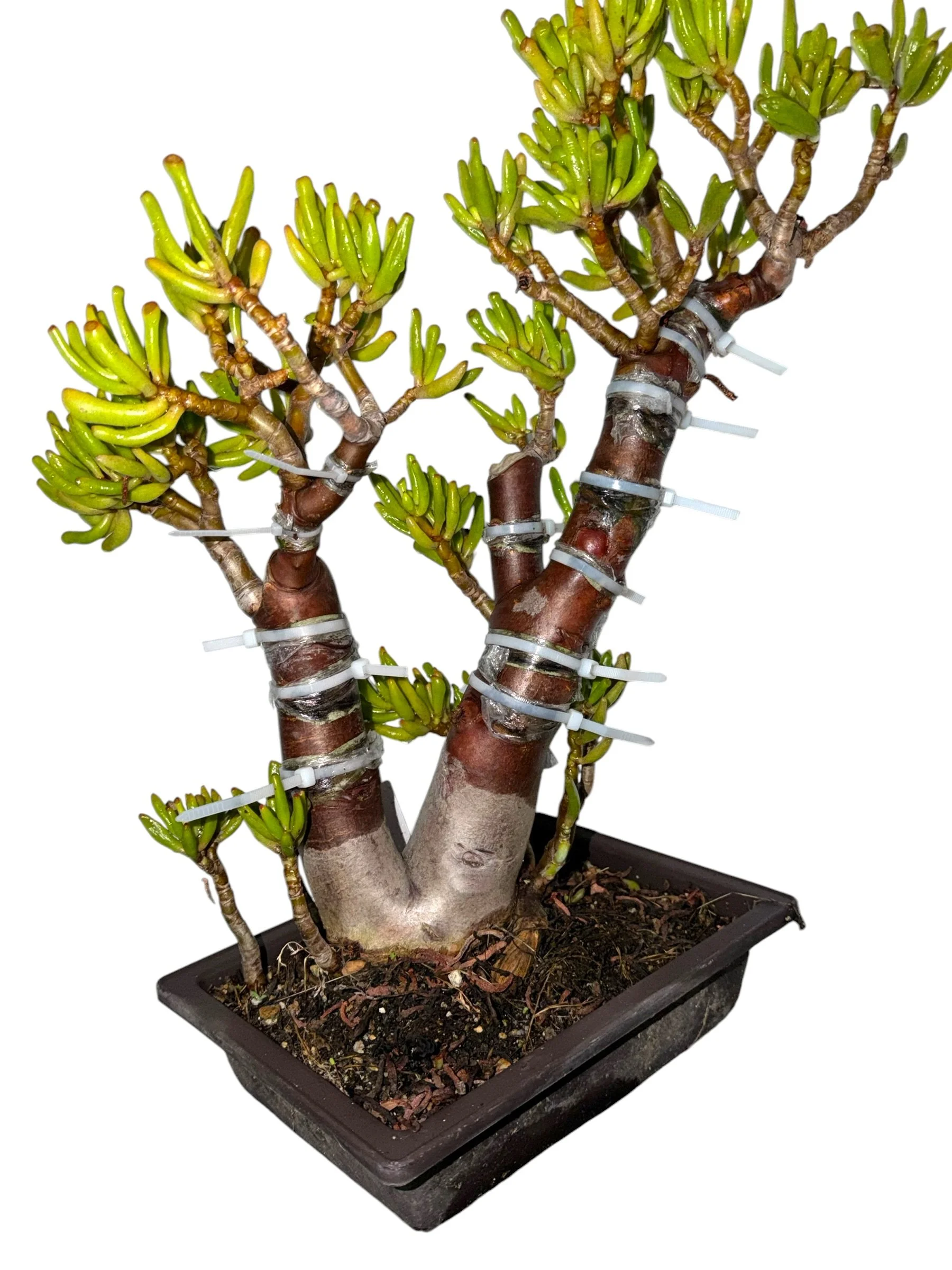
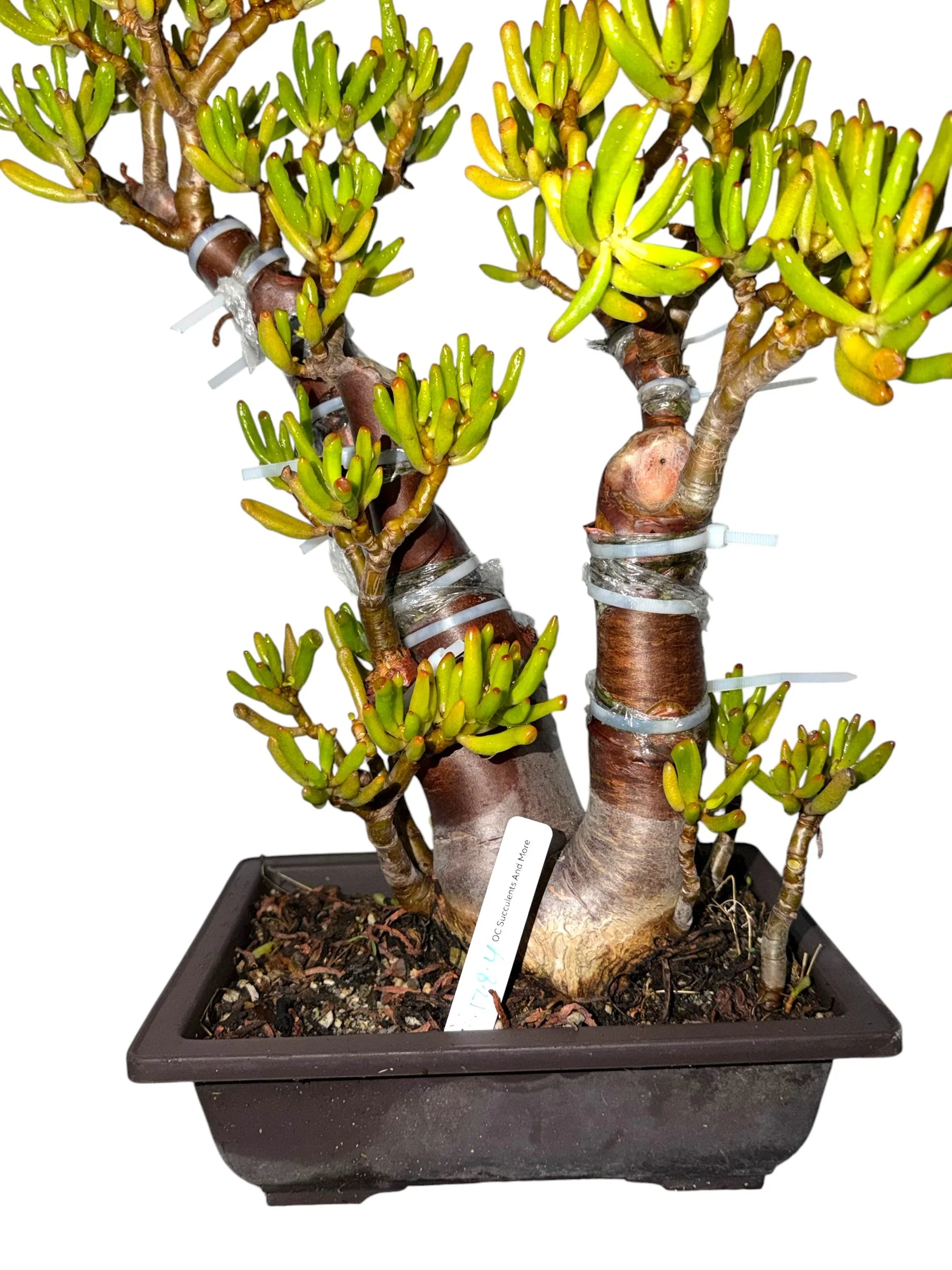
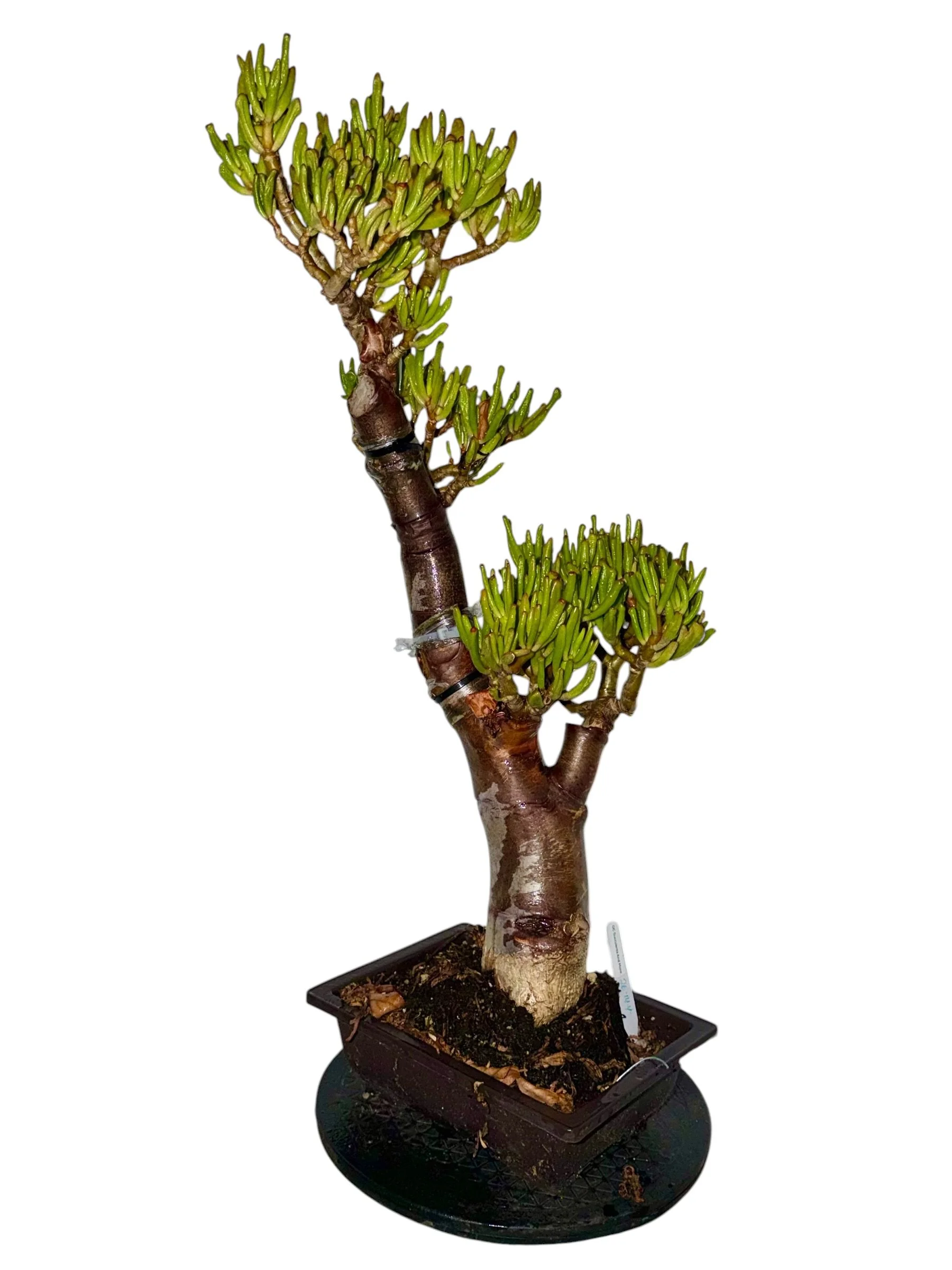
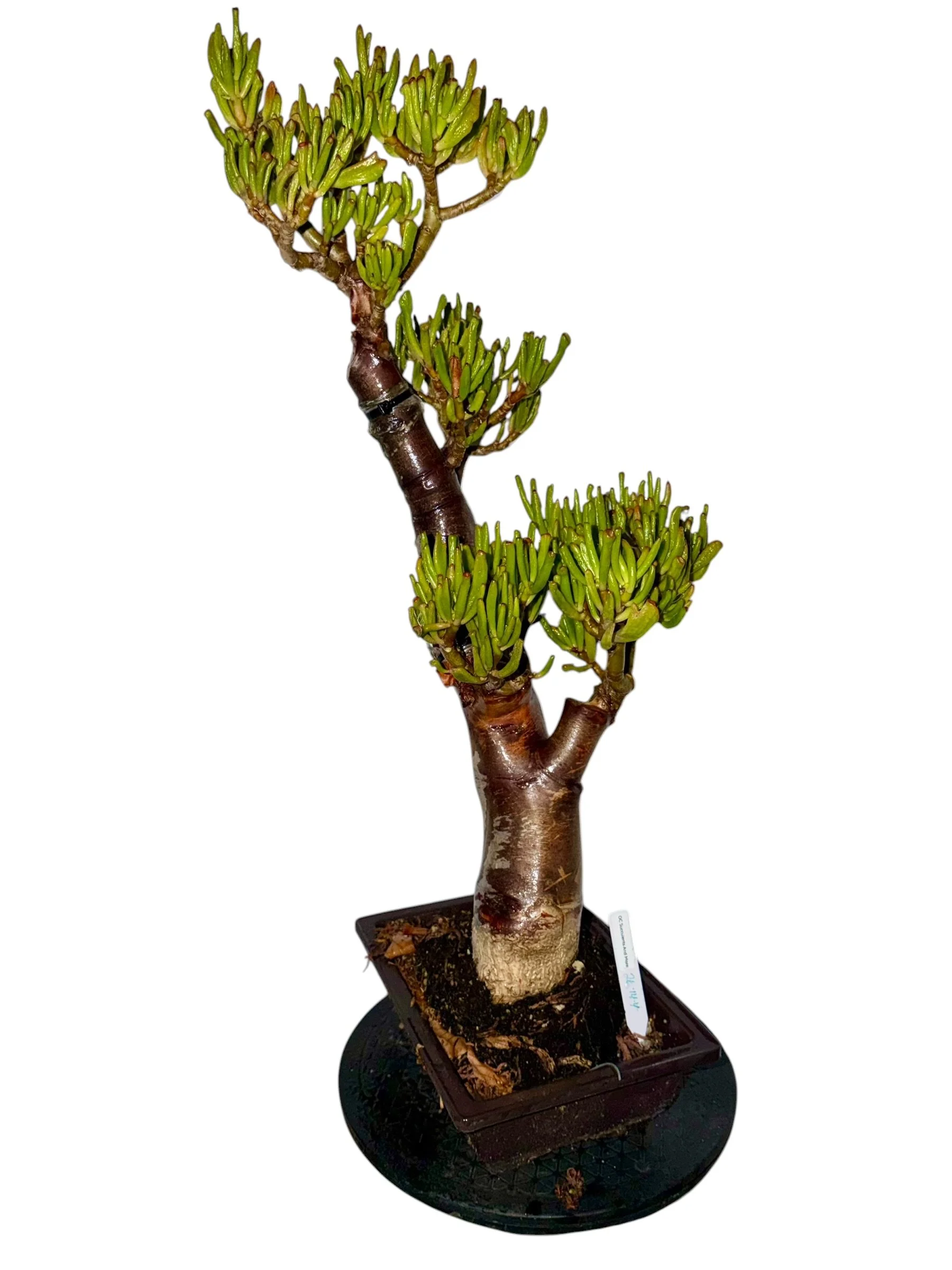
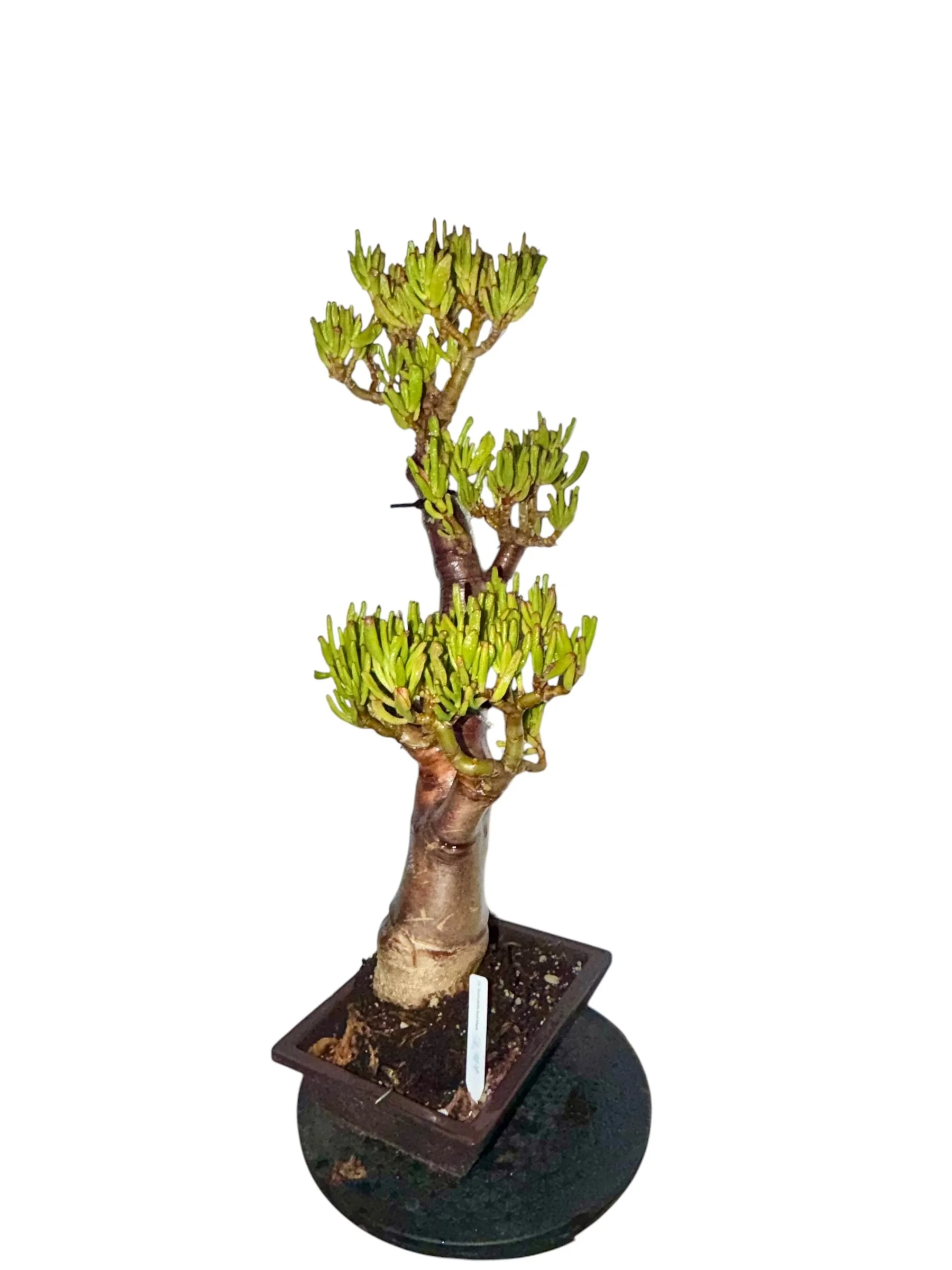
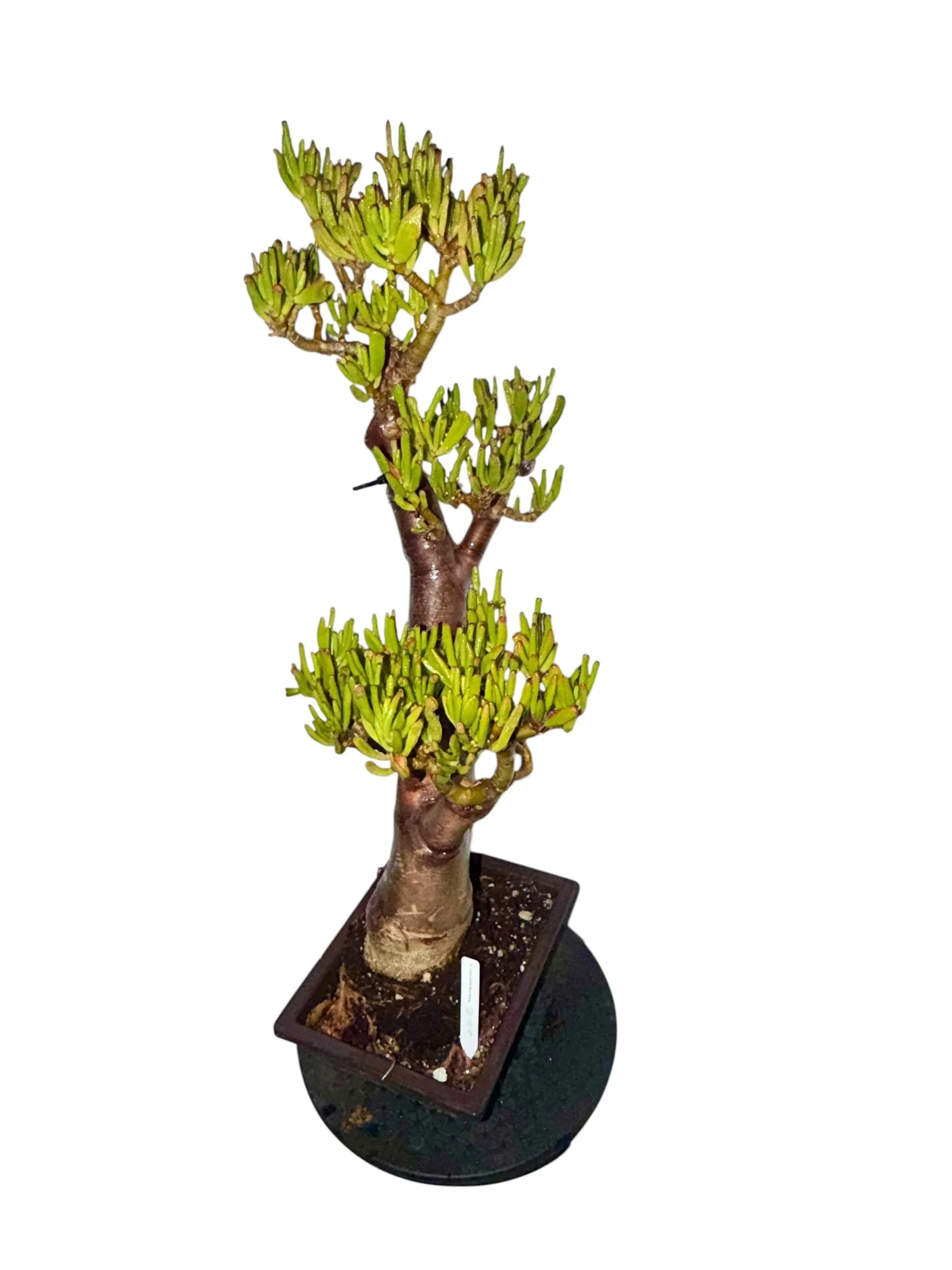
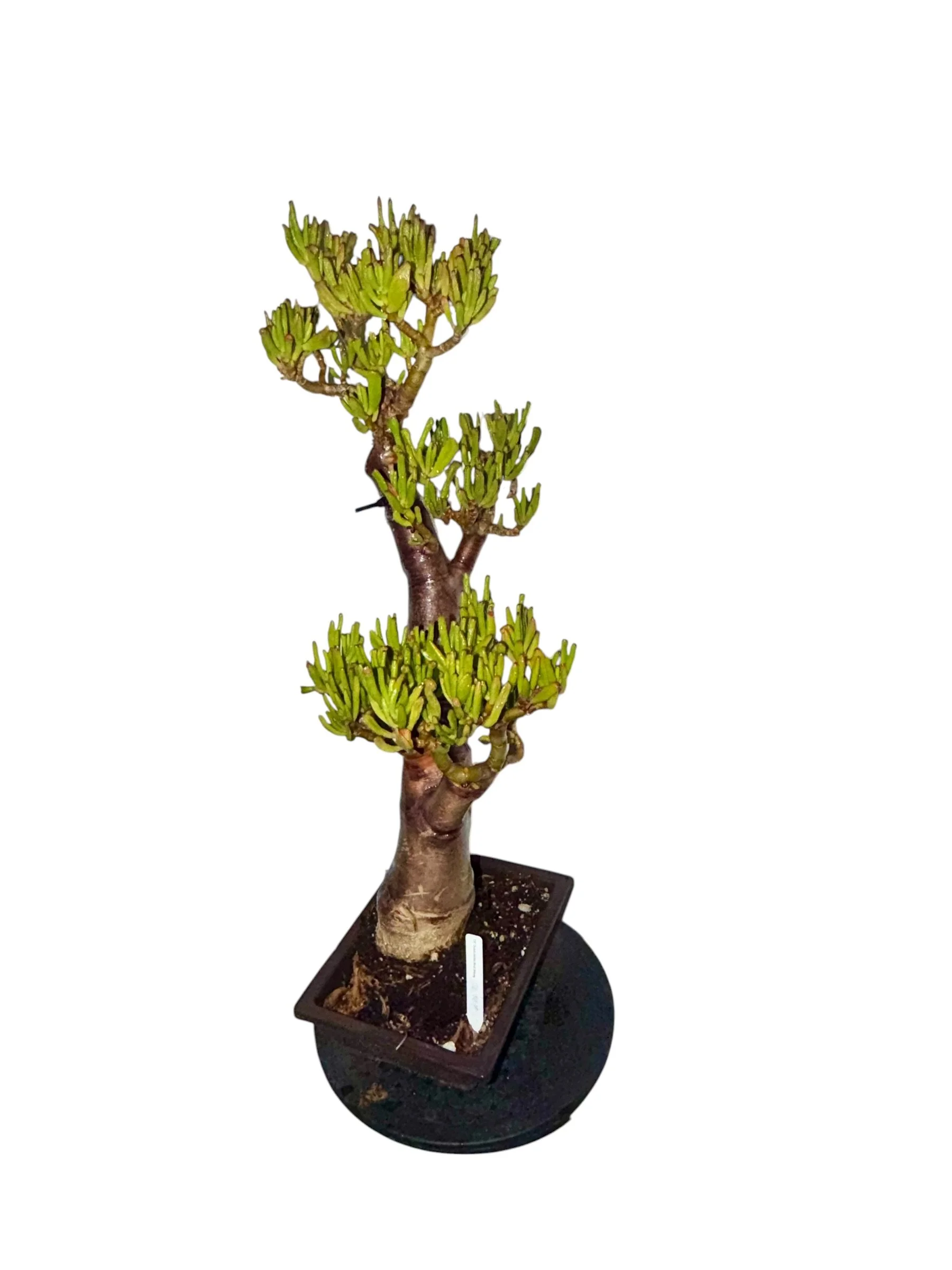
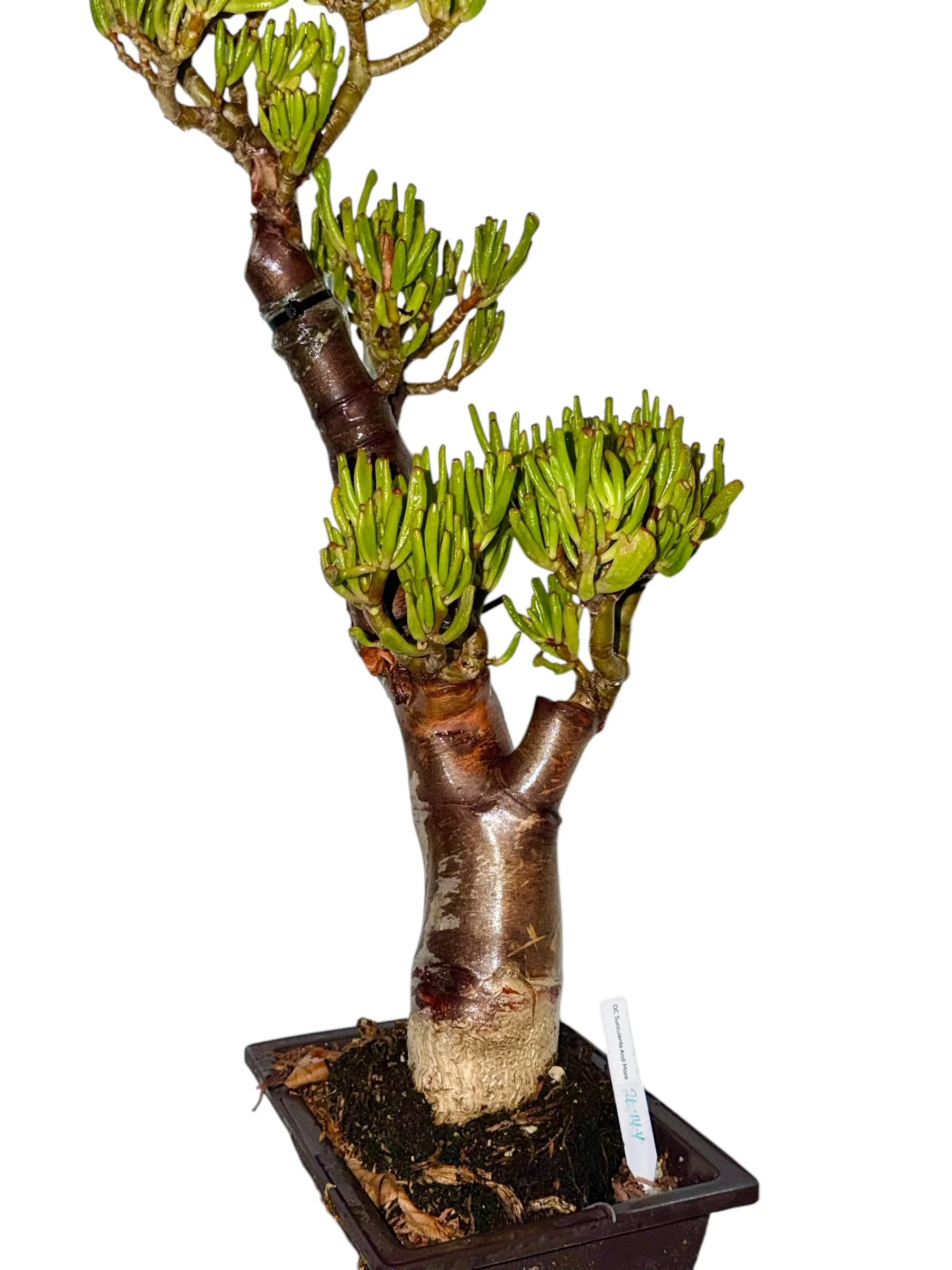
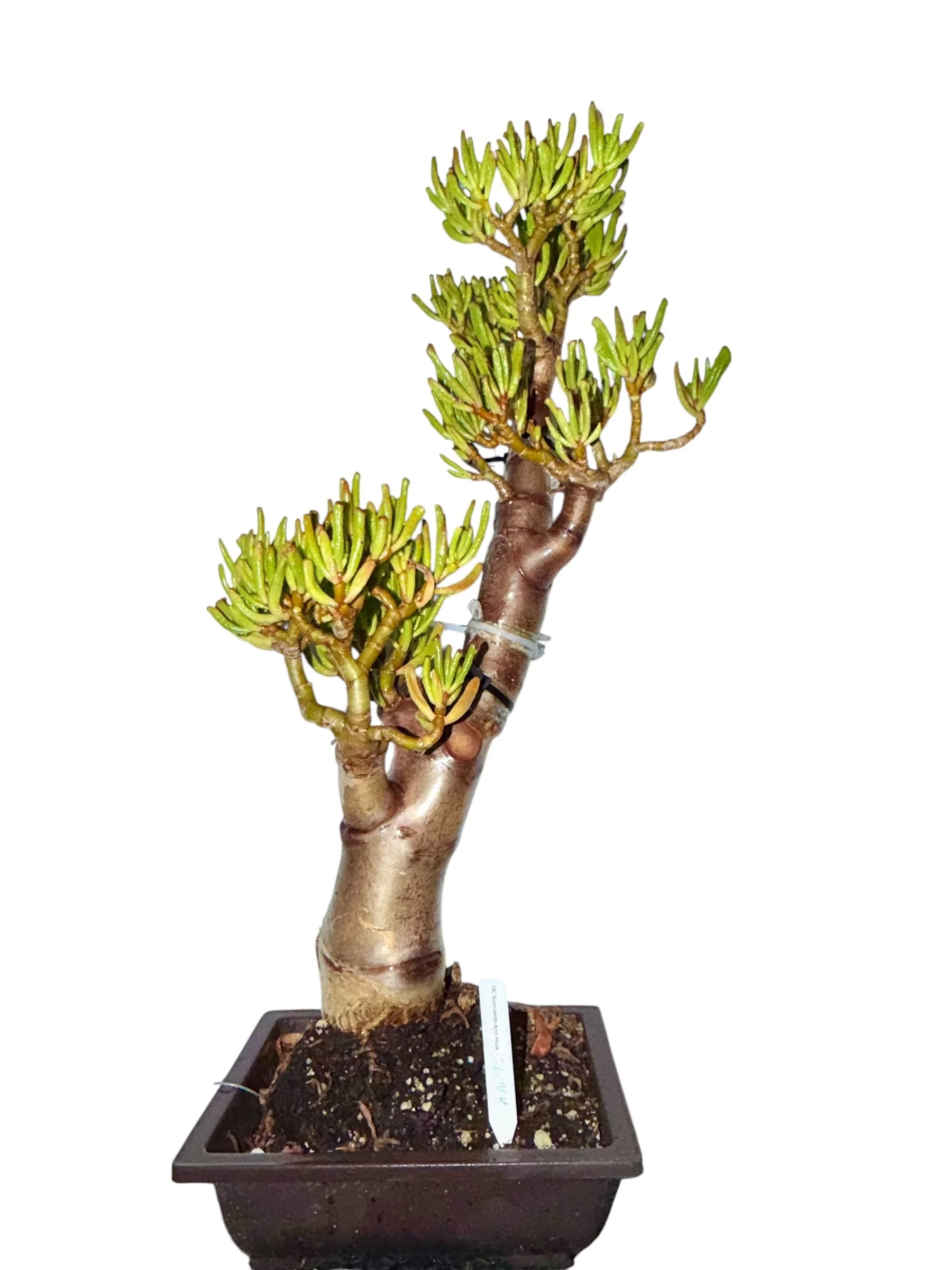
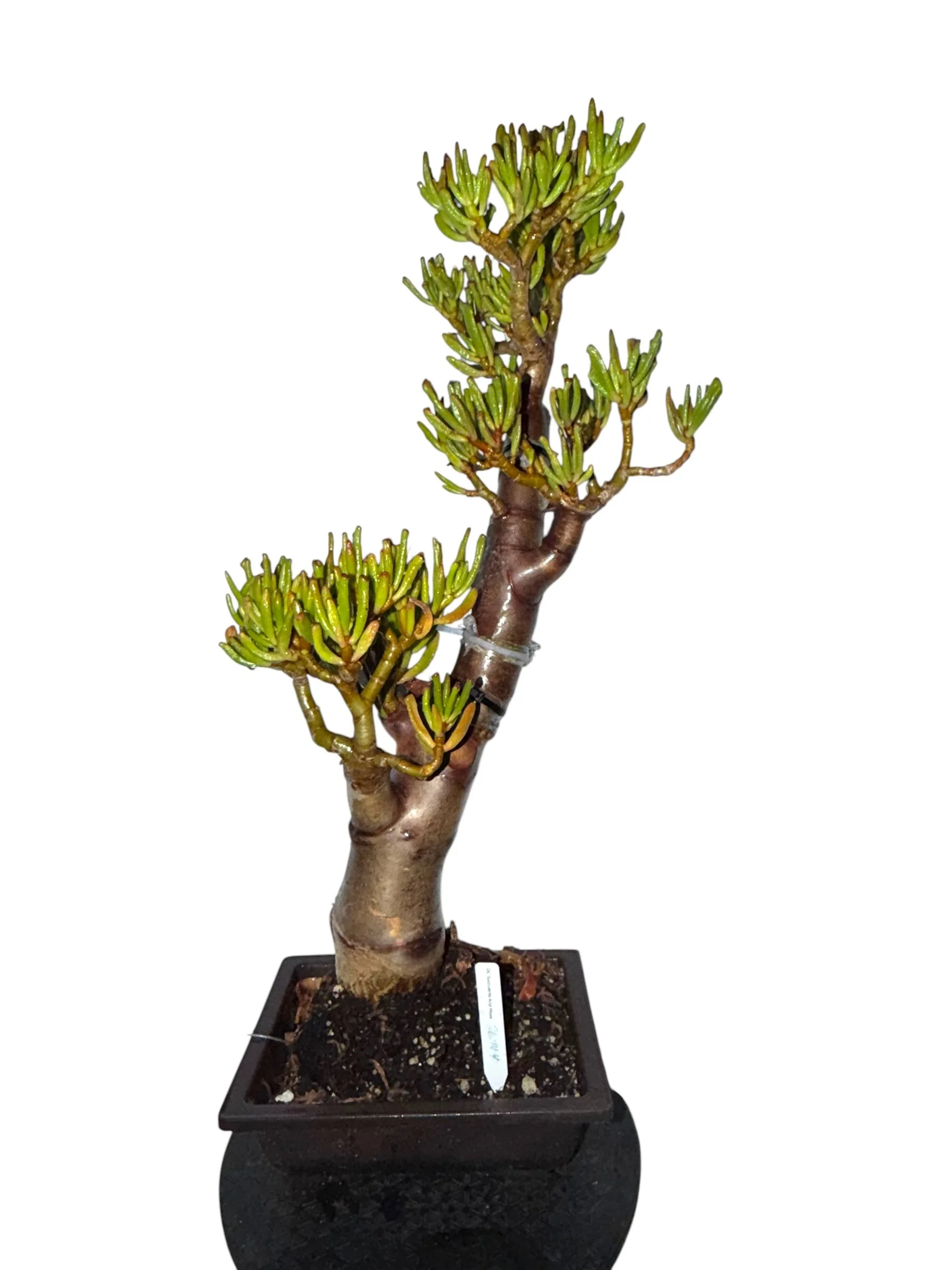
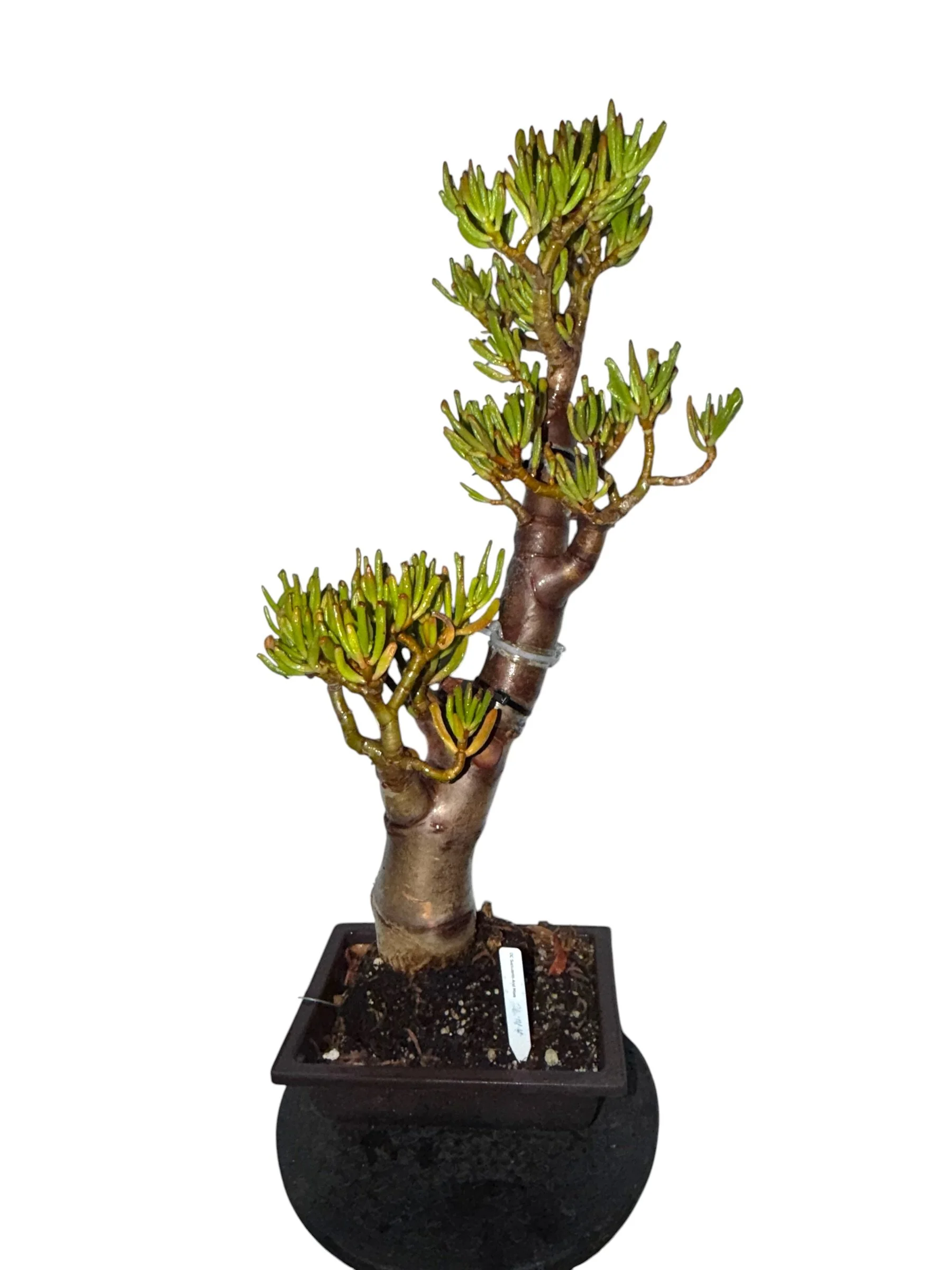
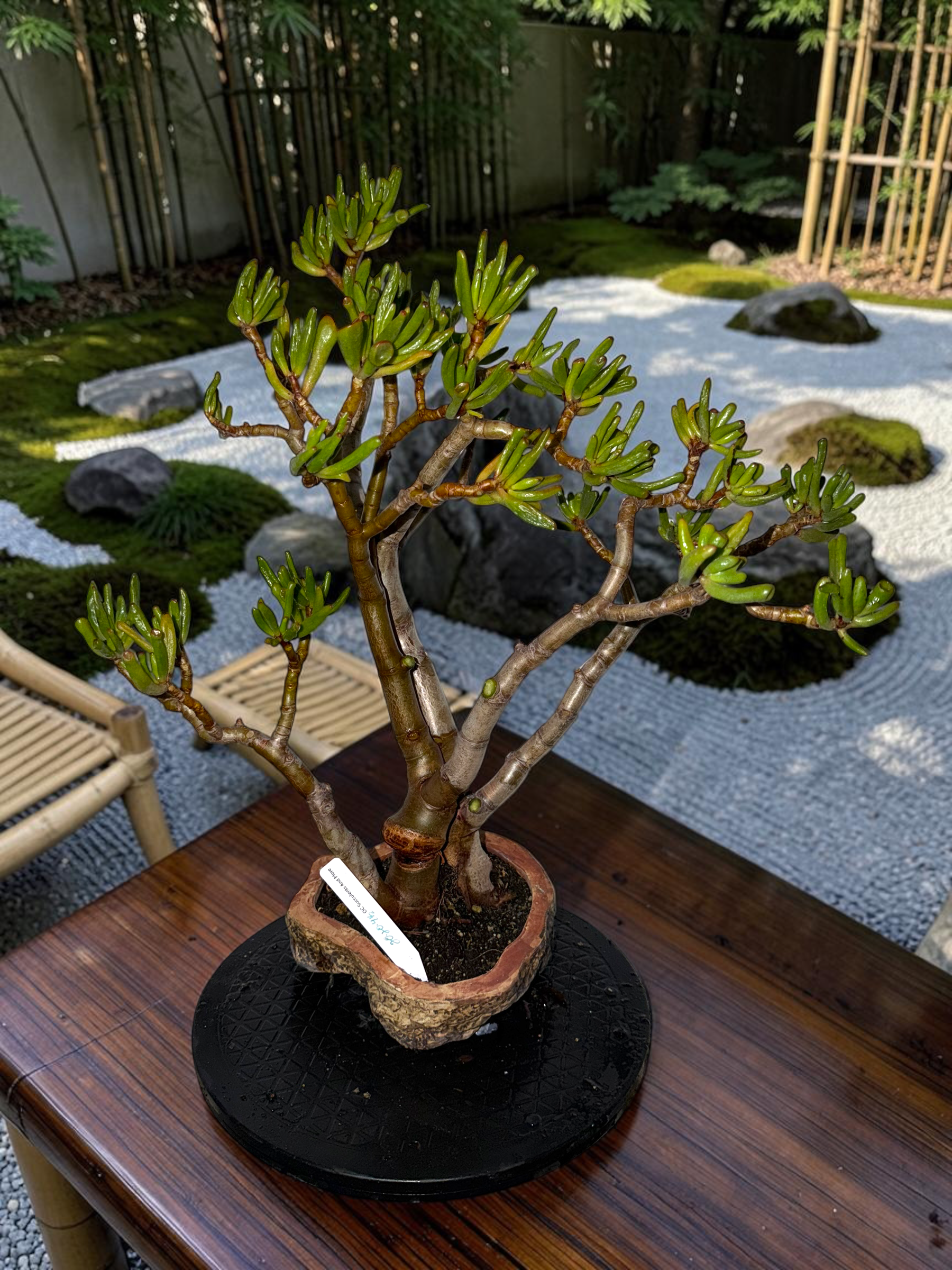
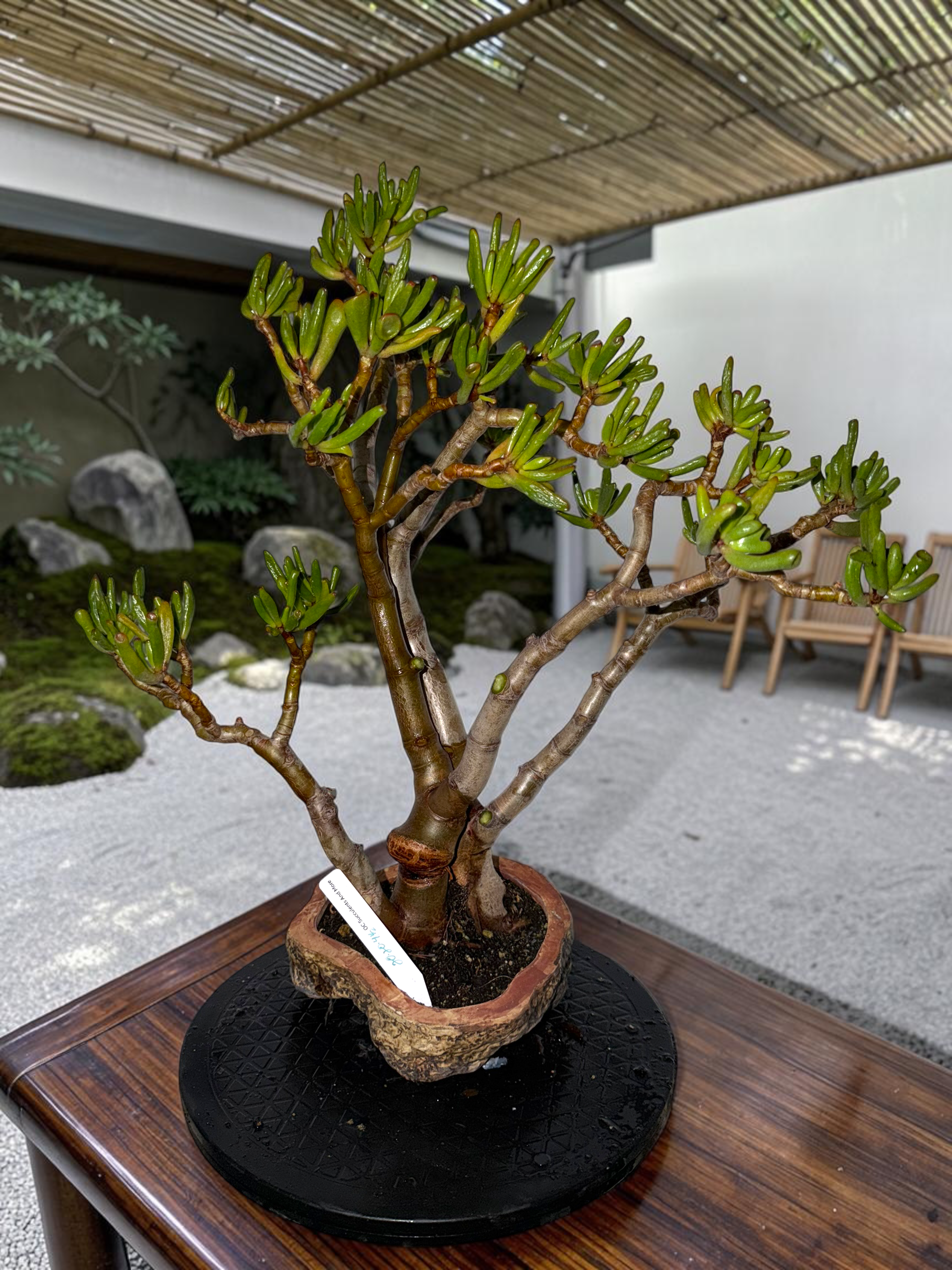
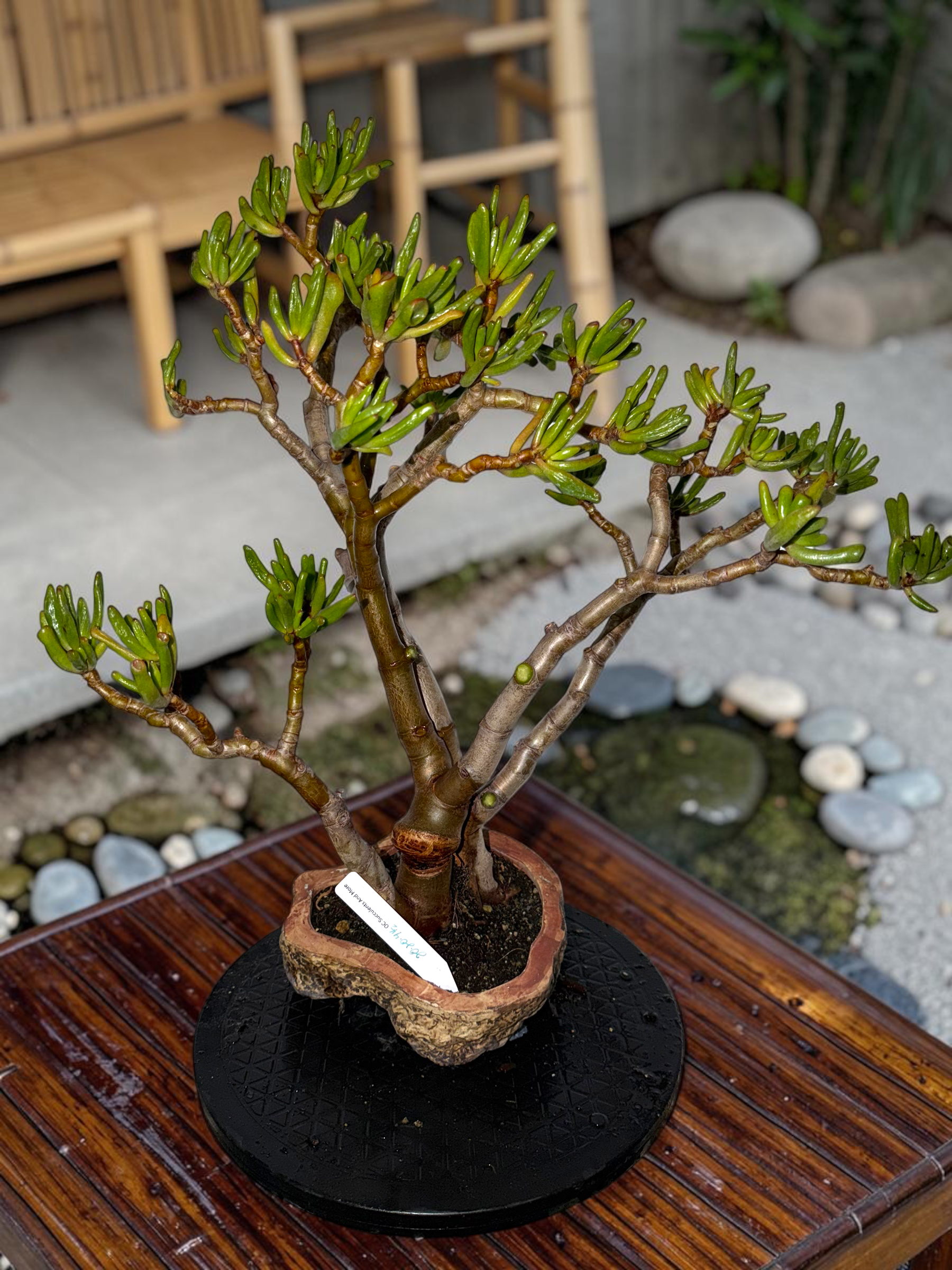
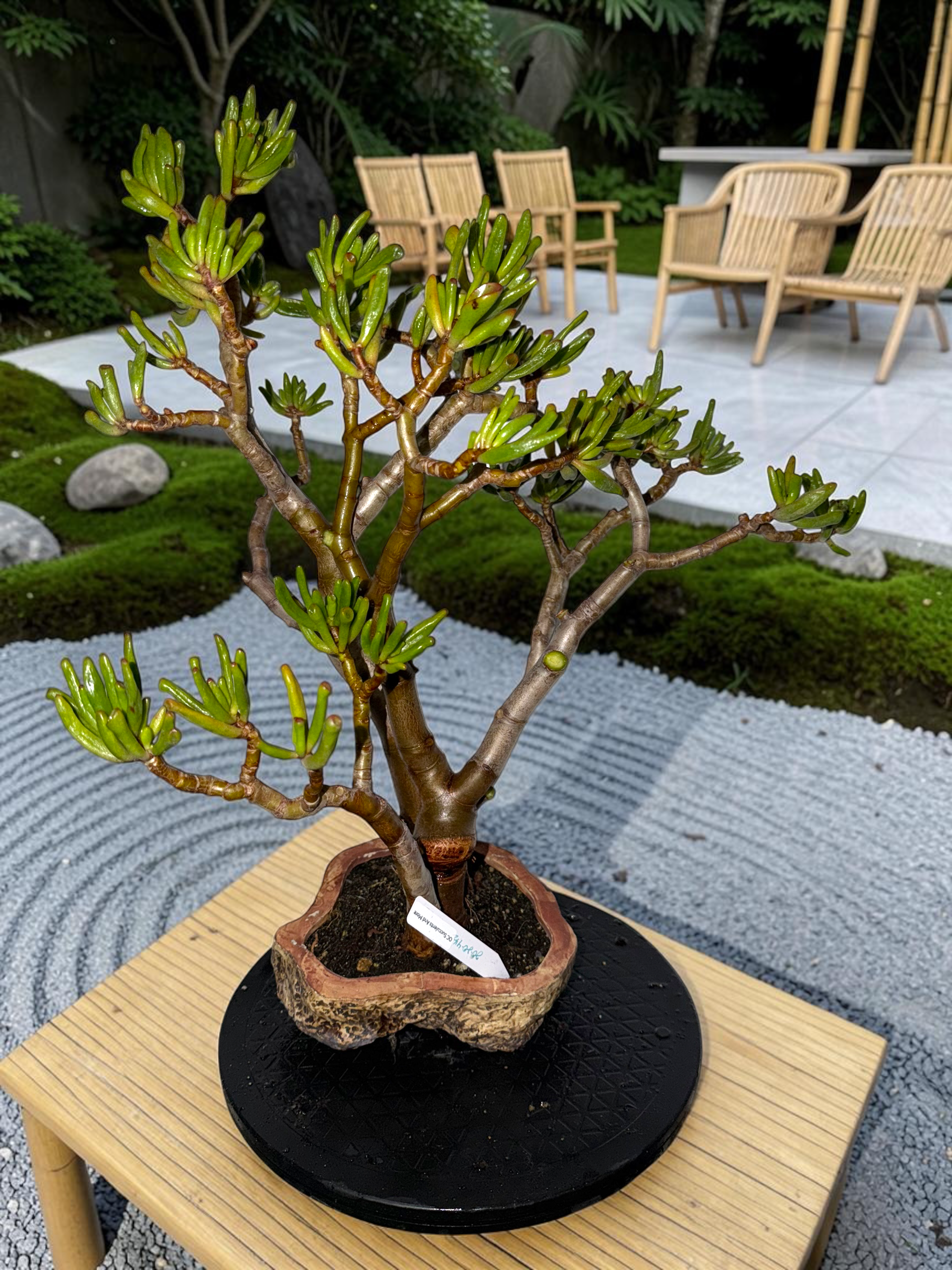
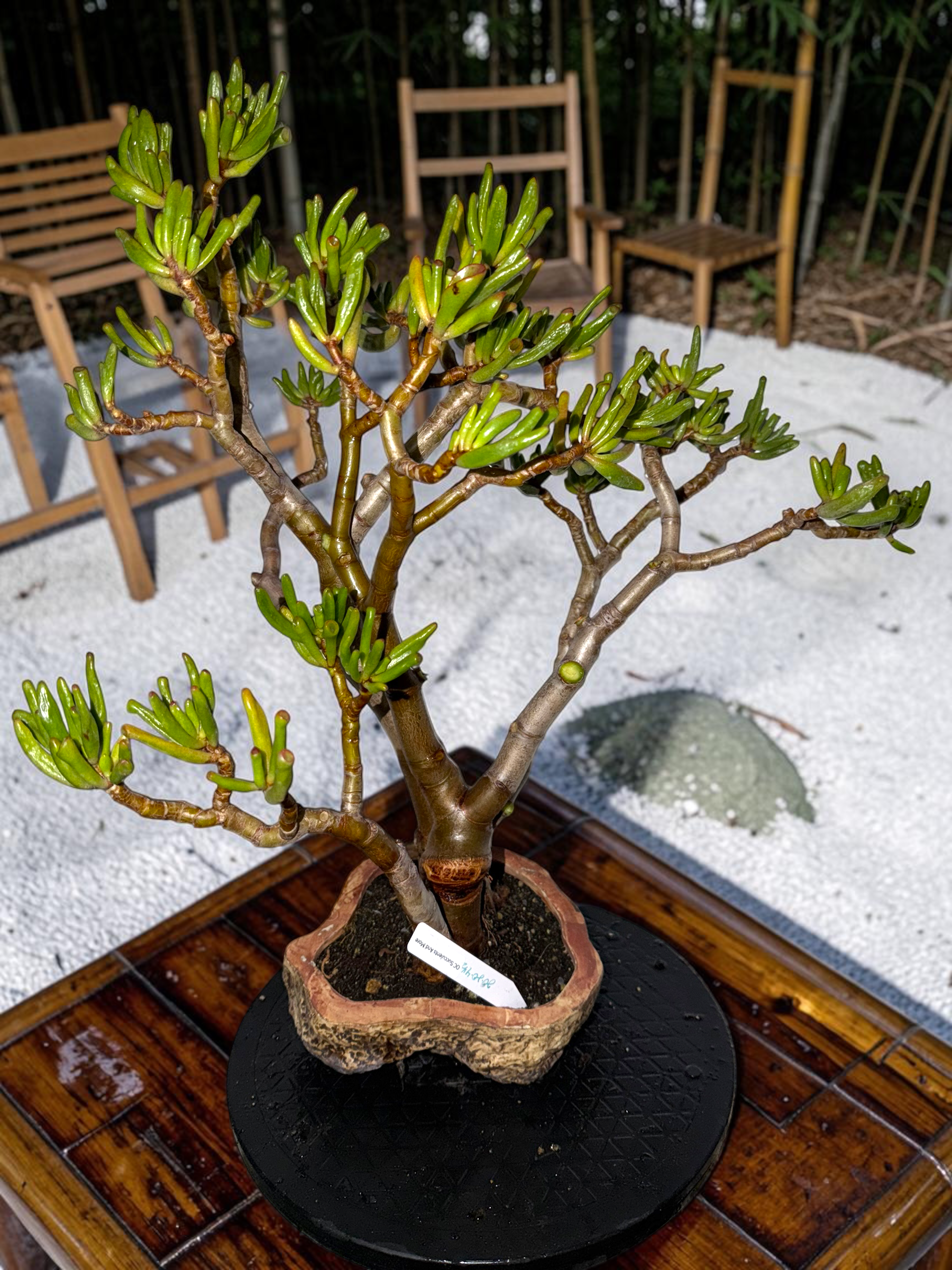
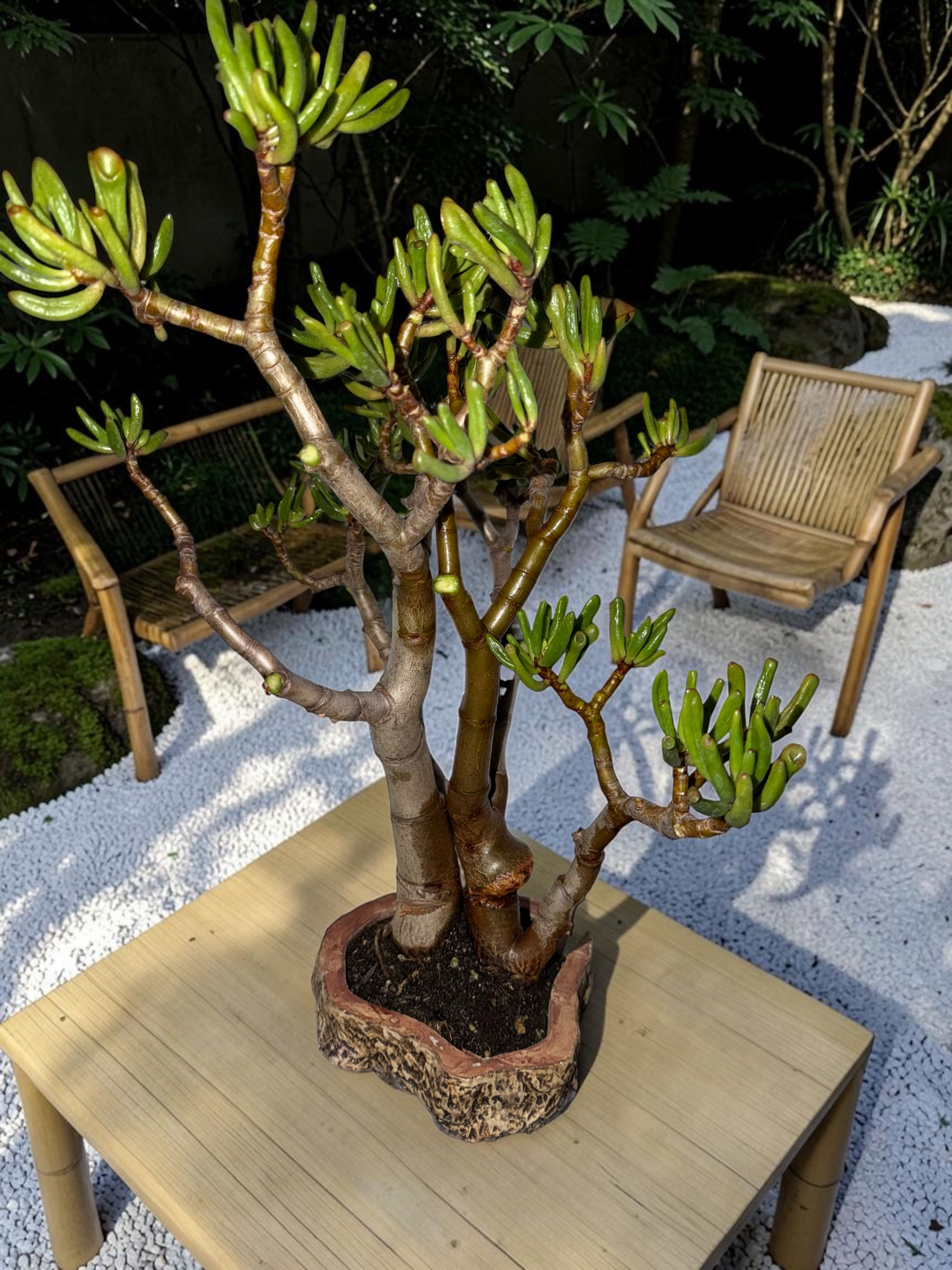
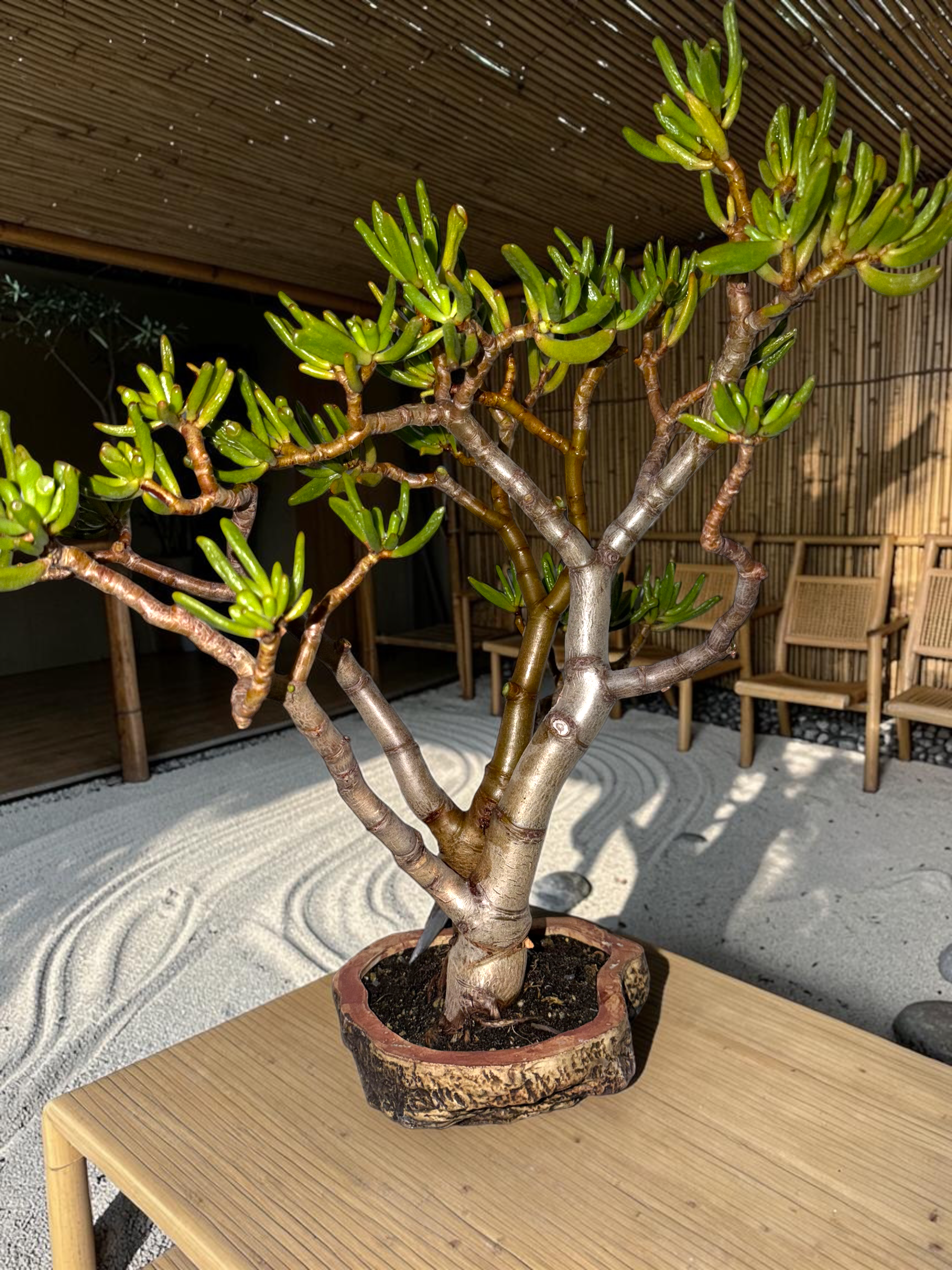
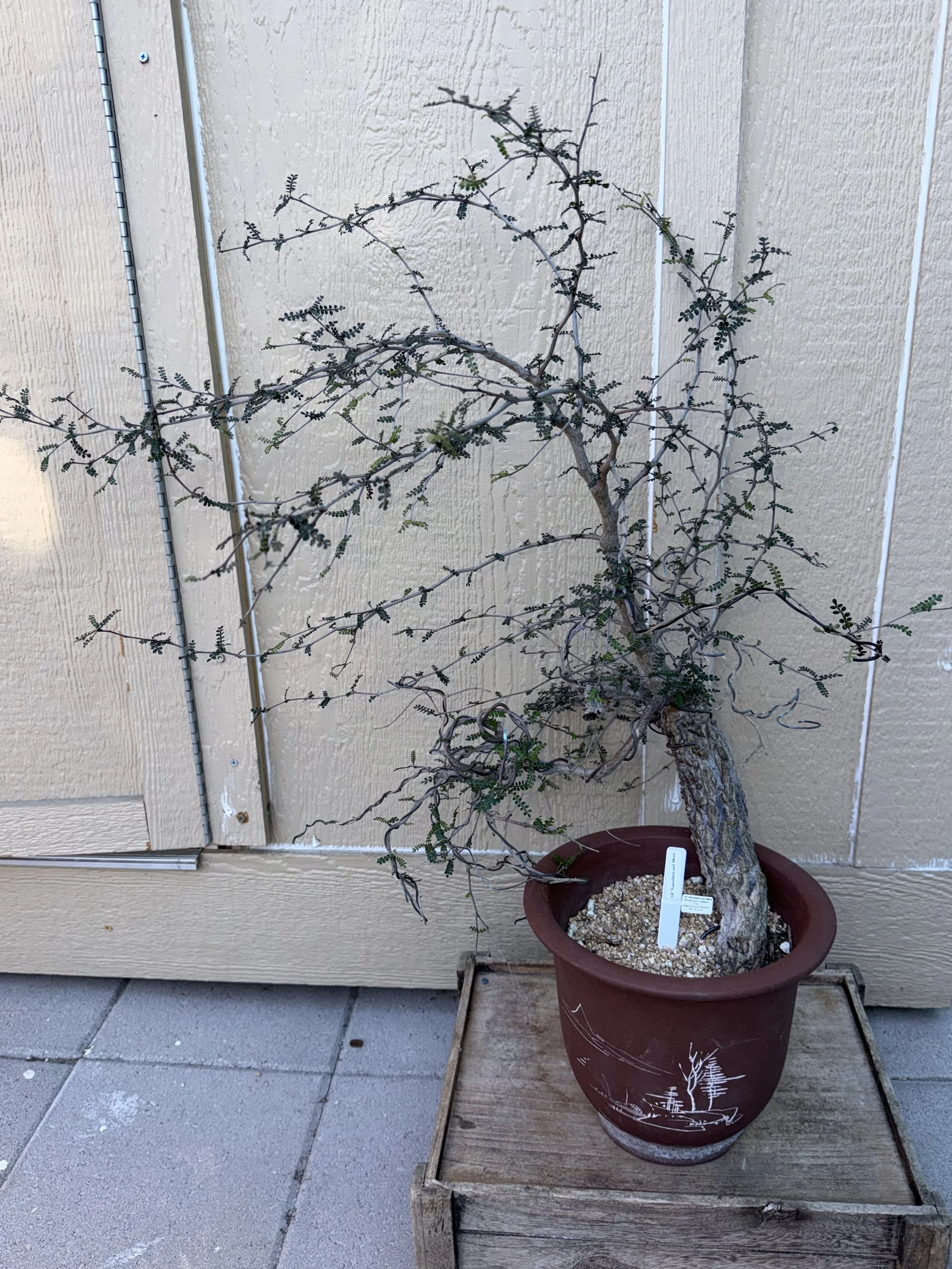
Here’s a tall, wild-looking tree with real presence. Standing about 34 inches tall and just as wide, this live Operculicarya Decaryi has a slim, graceful trunk, a broad crown of zigzag branches and tiny glossy leaflets. It makes a striking floor-standing accent or a strong starting point for bonsai training. Every Madagascar Elephant Tree is packed carefully by hand so it arrives fresh and ready to grow.

Product Includes:

  • 1x Operculicarya decaryi tree (about 34 in. tall, 34 in. wide, with a 3 in. trunk circumference, as written on its plant tag). Shipped with excess soil removed and the roots carefully wrapped for safe transit. The exact tree pictured is the one you receive.

  • 1x Custom Unboxing, Planting, and Care Guide. (Note: Soil, planter pot, and planting medium are not included.)

A Great Tree for Bonsai Training

This species is prized by bonsai growers because it takes pruning well, back-buds readily, and naturally develops a thick, textured trunk over time. Trim the long branches in the warm months to build a denser, more compact canopy.

Unboxing, Planting & Care Instructions

  • Gentle Unboxing: Open the box right away and unwrap the roots gently. Let the tree air dry for 1 week, away from direct sunlight. Then pot it in a gritty, fast-draining mix with plenty of pumice and water thoroughly. After that, move it into full sun a little at a time and let the soil dry out completely between waterings. Do not fertilize until it is settled in.

  • Planting: Use a fast-draining bonsai or cactus mix with plenty of pumice or lava rock. A shallow bonsai pot with good drainage shows off the trunk and roots.

  • Light: Full sun, 6 or more hours a day. Outdoors in warm months it loves sun. Indoors, use your brightest window or a grow light.

  • Watering: In the warm growing season, soak deeply and let the soil dry out completely before watering again. In fall and winter dormancy, water about once a month at most, or pause if the trunk stays firm. Feed lightly in spring and summer only, and keep above about 40°F.

Color & Appearance Changes:

You will receive the exact tree shown in the photos. Because of weather, shipping and seasonal changes, its look may shift a little. In fall and winter the leaves may turn slightly red or yellow and then drop as the tree enters its natural dormancy. This is normal and not a sign of trouble. On a tall tree like this, some leaf drop or shifting branch tips after shipping is also normal. Keep it on the dry side, and fresh new twigs and leaves will return in spring. We always make sure your tree ships in good condition and looks close to its photos.

Botanical Classification & Synonyms:

For the collectors who like the exact taxonomy, this specimen is officially Operculicarya decaryi, a member of the cashew family (Anacardiaceae) native to southwest Madagascar. It is also known as the Madagascar Elephant Tree, Elephant Tree, Jabihy, and Jabily.

(Note for search indexing: This collector's tree is sometimes searched for or misspelled online as Operculicaria decaryi, Operculicarya decari, or Operculicarya decaryii.)

Quick Facts:

  • Hardiness Zone: 10-11 (keep above about 40°F / 4°C).

  • Bloom Time: Late spring to summer on mature trees (tiny reddish flowers).

  • Toxicity: Not for consumption. Keep away from pets and children.
Here’s a tall, wild-looking tree with real presence. Standing about 34 inches tall and just as wide, this live Operculicarya Decaryi has a slim, graceful trunk, a broad crown of zigzag branches and tiny glossy leaflets. It makes a striking floor-standing accent or a strong starting point for bonsai training. Every Madagascar Elephant Tree is packed carefully by hand so it arrives fresh and ready to grow.

Product Includes:

  • 1x Operculicarya decaryi tree (about 34 in. tall, 34 in. wide, with a 3 in. trunk circumference, as written on its plant tag). Shipped with excess soil removed and the roots carefully wrapped for safe transit. The exact tree pictured is the one you receive.
  • 1x Custom Unboxing, Planting, and Care Guide. (Note: Soil, planter pot, and planting medium are not included.)

A Great Tree for Bonsai Training

This species is prized by bonsai growers because it takes pruning well, back-buds readily, and naturally develops a thick, textured trunk over time. Trim the long branches in the warm months to build a denser, more compact canopy.

Unboxing, Planting & Care Instructions

  • Gentle Unboxing: Open the box right away and unwrap the roots gently. Let the tree air dry for 1 week, away from direct sunlight. Then pot it in a gritty, fast-draining mix with plenty of pumice and water thoroughly. After that, move it into full sun a little at a time and let the soil dry out completely between waterings. Do not fertilize until it is settled in.

  • Planting: Use a fast-draining bonsai or cactus mix with plenty of pumice or lava rock. A shallow bonsai pot with good drainage shows off the trunk and roots.

  • Light: Full sun, 6 or more hours a day. Outdoors in warm months it loves sun. Indoors, use your brightest window or a grow light.

  • Watering: In the warm growing season, soak deeply and let the soil dry out completely before watering again. In fall and winter dormancy, water about once a month at most, or pause if the trunk stays firm. Feed lightly in spring and summer only, and keep above about 40°F.

Color & Appearance Changes:

You will receive the exact tree shown in the photos. Because of weather, shipping and seasonal changes, its look may shift a little. In fall and winter the leaves may turn slightly red or yellow and then drop as the tree enters its natural dormancy. This is normal and not a sign of trouble. On a tall tree like this, some leaf drop or shifting branch tips after shipping is also normal. Keep it on the dry side, and fresh new twigs and leaves will return in spring. We always make sure your tree ships in good condition and looks close to its photos.

Botanical Classification & Synonyms:

For the collectors who like the exact taxonomy, this specimen is officially Operculicarya decaryi, a member of the cashew family (Anacardiaceae) native to southwest Madagascar. It is also known as the Madagascar Elephant Tree, Elephant Tree, Jabihy, and Jabily.

(Note for search indexing: This collector's tree is sometimes searched for or misspelled online as Operculicaria decaryi, Operculicarya decari, or Operculicarya decaryii.)

Quick Facts:

  • Hardiness Zone: 10-11 (keep above about 40°F / 4°C).

  • Bloom Time: Late spring to summer on mature trees (tiny reddish flowers).

  • Toxicity: Not for consumption. Keep away from pets and children.